
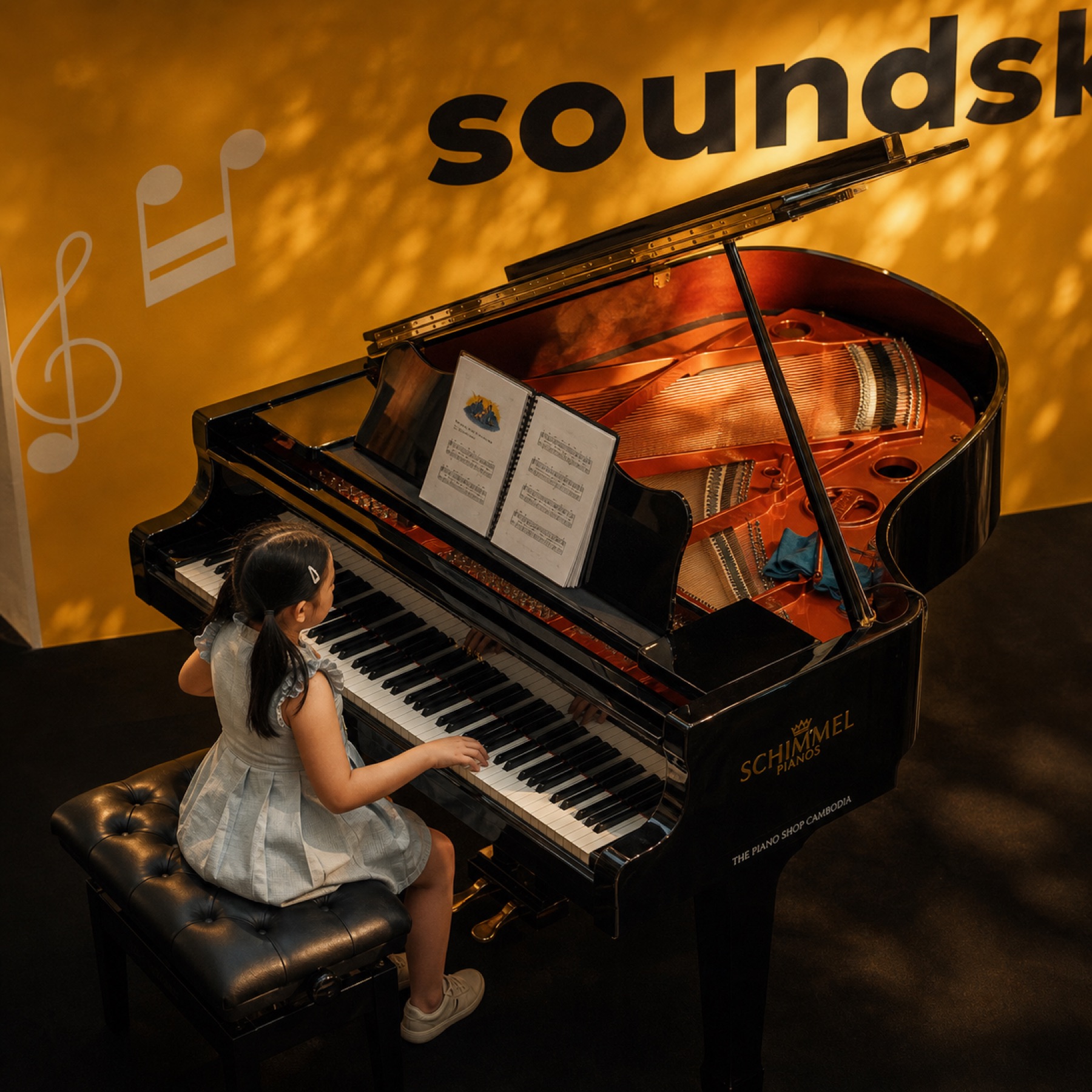
Who This Is For
What You'll Learn
- What students actually learn first
- How home practice should look
- What progress usually feels like in the early months
Piano is one of the easiest instruments for a parent to understand from the outside and one of the trickiest to judge from the inside. It looks simple: sit down, press keys, play a tune. In real life, students are learning several things at once. They are reading, listening, counting, coordinating both hands, and trying to stay physically organised at the instrument.
That sounds like a lot because it is. The good news is that piano makes those layers visible quite quickly. Parents can usually hear when rhythm is steadier, see when posture makes more sense, and notice when a student stops guessing and starts recognising what they are playing.
What students usually learn first
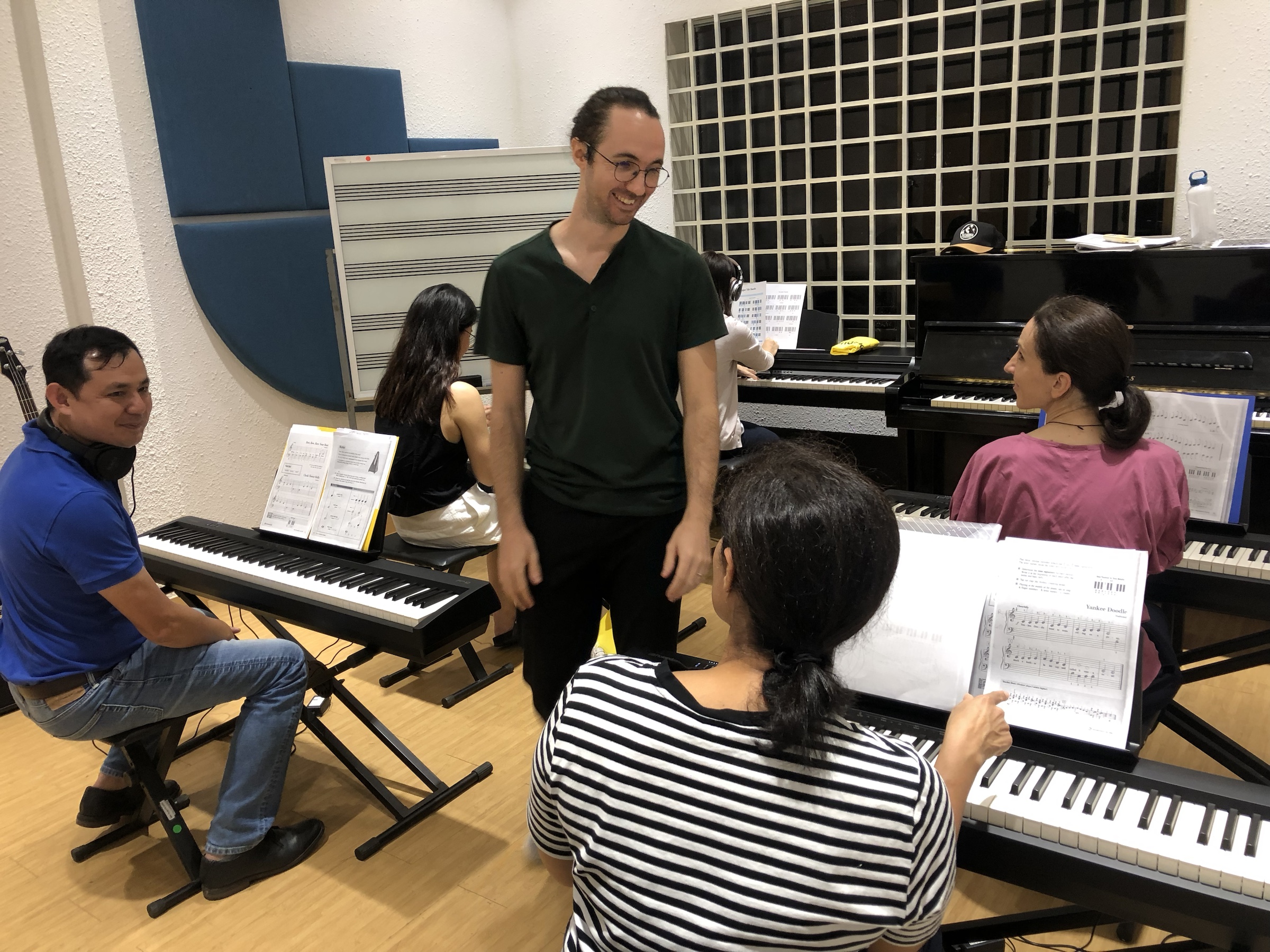
At the beginning, most piano students work on posture, hand position, note direction, simple rhythm, and how to practise one short section without falling apart. A good first term does not need to look impressive. It needs to look organised.
Some children love reading from the start. Others need more time and learn first through imitation, pattern, and careful repetition. A good teacher adjusts the route without dropping the fundamentals.
Classical, pop, and everything in between
Parents often ask whether a child should learn classical piano or start with songs they already know. The short answer is that both can be useful, but they do different jobs. Classical study helps with reading, touch, phrasing, and technical discipline. Pop styles usually help students feel rhythm, chords, and structure more quickly.
The best route depends on the student in front of the teacher. Some children need structure first. Others need recognisable music to stay engaged long enough for the structure to settle in.
What home practice should look like
Home practice does not need to be dramatic. Ten to twenty focused minutes several times a week is already useful for many beginners. The better question is not "Did you practise for a long time?" but "What exactly did you repeat?"
A realistic early piano week
- One short technical job from the lesson.
- One small section of the piece repeated properly.
- One slower run-through at the end.
- Stop before the student gets sloppy and irritated.
What progress looks like in the first few months
Early progress is rarely glamorous. It usually looks like this: fewer stops, better counting, cleaner starts, more stable hands, less tension, and a child who knows what to work on when they open the book. That is real progress, even when the repertoire is still simple.
Parents sometimes expect a faster jump into full songs. That does happen for some students, but the stronger route is usually slower and steadier. Piano rewards patience. It also punishes shortcuts quite efficiently.
What helps most at home
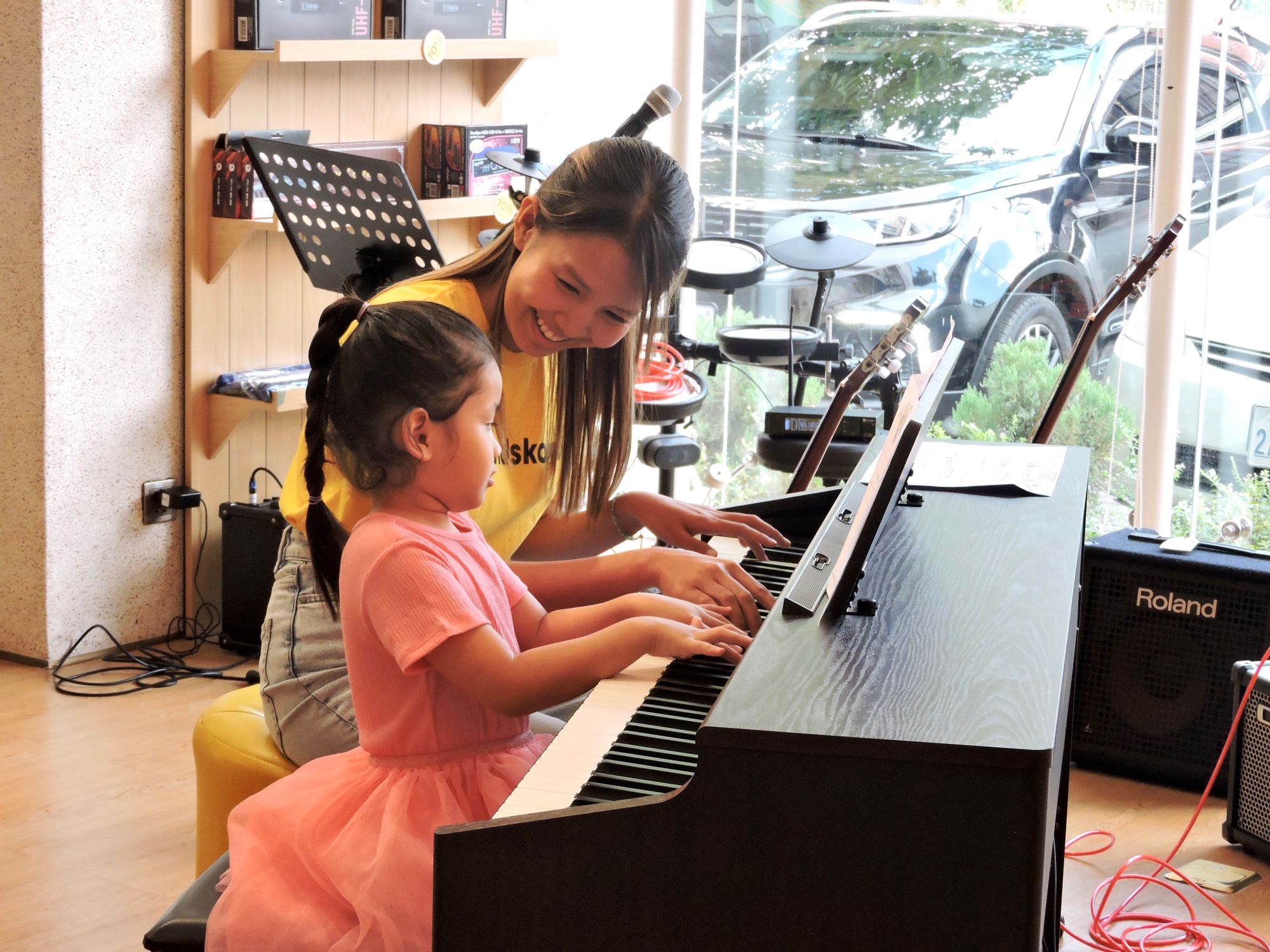
Parents help a lot by making the routine ordinary. Open the book. Set the time. Make sure the bench and instrument are ready. Ask the child what they are fixing today. That is usually enough. Most students do not need speeches about discipline. They need a repeatable start.
When piano is a good fit
Piano suits students who like structure, enjoy hearing harmony, or want a strong musical foundation that can lead into many styles later. It also works well for children who benefit from seeing music laid out clearly in front of them.
That said, no instrument is right for everyone. If the student is forcing it week after week, it is worth looking again at style, routine, teacher fit, or whether another lesson format would suit them better.
Related reading
- Piano Practice Guide
- Beginner Piano Basics: Posture
- What to Consider When Choosing a Musical Instrument
Useful Reading Outside Soundskool
- Yamaha Piano Guide for basic orientation on playing, posture, and how the instrument works.
- RSL Awards if you want to understand how piano study can later connect to graded pathways.
If a child is starting piano, the most useful next step is a teacher who can set the first routine properly and keep the early weeks calm.