

Who This Is For
What You'll Learn
- Interest
- Body size
- Noise at home
Parents often start this decision by asking which instrument is best. A better question is which instrument is most likely to survive ordinary family life. The right choice has to fit the child, the house, the weekly routine, and the kind of teacher support the student will actually get.
A piano may look ideal on paper and still be wrong for one child. Drums may seem noisy and still be exactly the thing that keeps another student engaged for years. Good choices are practical before they are romantic.

1. Start with the sound the child actually likes
If a child keeps leaning toward drums, violin, or piano, pay attention. Interest helps a lot during the early awkward stage when nothing sounds good yet. Students work longer when they care about the instrument in front of them.
2. Be honest about the body
Some instruments ask more from the body than others. Piano is stable and visually clear. Violin and guitar ask for more fine coordination. Drums need reach and limb coordination. Saxophone needs breath support and enough body size to handle the instrument properly. Age matters, but so does the physical fit.
3. Think about life at home
Where will practice happen? How much sound can the household tolerate? Is the instrument easy to leave ready for use, or does every practice session require moving furniture and unpacking half a case? These questions sound boring until they start killing the routine.
4. Match the instrument to the temperament
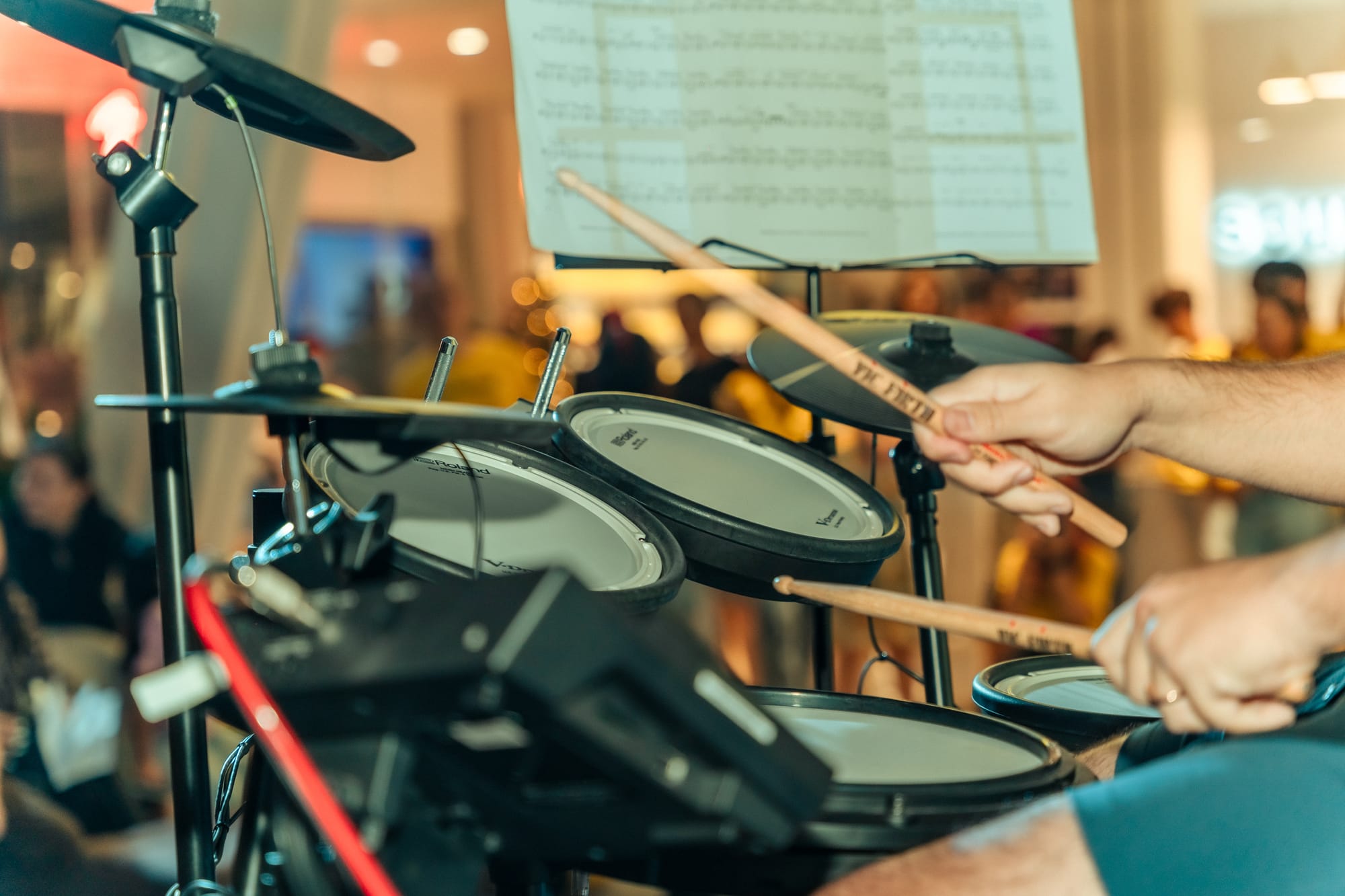
Some children like structure and visual order. Piano often suits them well. Some need movement and physical energy. Drums can be a much better fit than forcing them into a static setup. Some love singing because the instrument is already in the body. The point is not to stereotype. It is to notice where the student comes alive.
5. Consider the real weekly commitment
Every instrument needs practice, but not every family can support the same kind of routine. It is better to choose an instrument and lesson format that the family can sustain than a grand plan that collapses after three weeks.
Five practical questions
- Does the child actually like the sound of this instrument?
- Can the child's body handle it comfortably at this stage?
- Can the family support the practice routine honestly?
- Does the lesson format suit the child's temperament?
- Can you imagine this routine still working in three months?
6. Ask what the first term will look like
Parents often buy into the idea of an instrument without understanding the first term of study. Ask what beginners actually do. Ask whether the student will start in a group or private format. Ask what the home assignment usually looks like. Those answers reveal more than a polished sales sentence ever will.
7. Use a trial lesson if you are unsure
A trial class is often the quickest way to see if the match is real. You can watch whether the student connects with the teacher, whether the instrument feels awkward or natural, and whether the child leaves curious or relieved that it is over.
Related reading
- At What Age Should a Child Learn a Musical Instrument?
- Learning to Play the Piano in Cambodia
- The Difference Between Upright and Grand Pianos
If the family is still split between two or three instruments, a trial lesson usually clears the fog much faster than guessing from home.