
Who This Is For
What You'll Learn
- “At what age should I introduce my child to music?” If you’re a parent who has pondered over this question
- Still hasn’t quite figured out the answer
- Read this article for a guide
Parents ask this all the time, and the honest answer is that there is no single perfect age. What matters more is readiness. Some children are ready for structured music lessons at five. Some need another year. Some start later and move very quickly because they can already focus, count, and repeat calmly.
So the question is not only "How old is my child?" It is "Can my child listen, follow one short instruction, stay with a task for a few minutes, and show some interest in the sound they are making?"
The short version
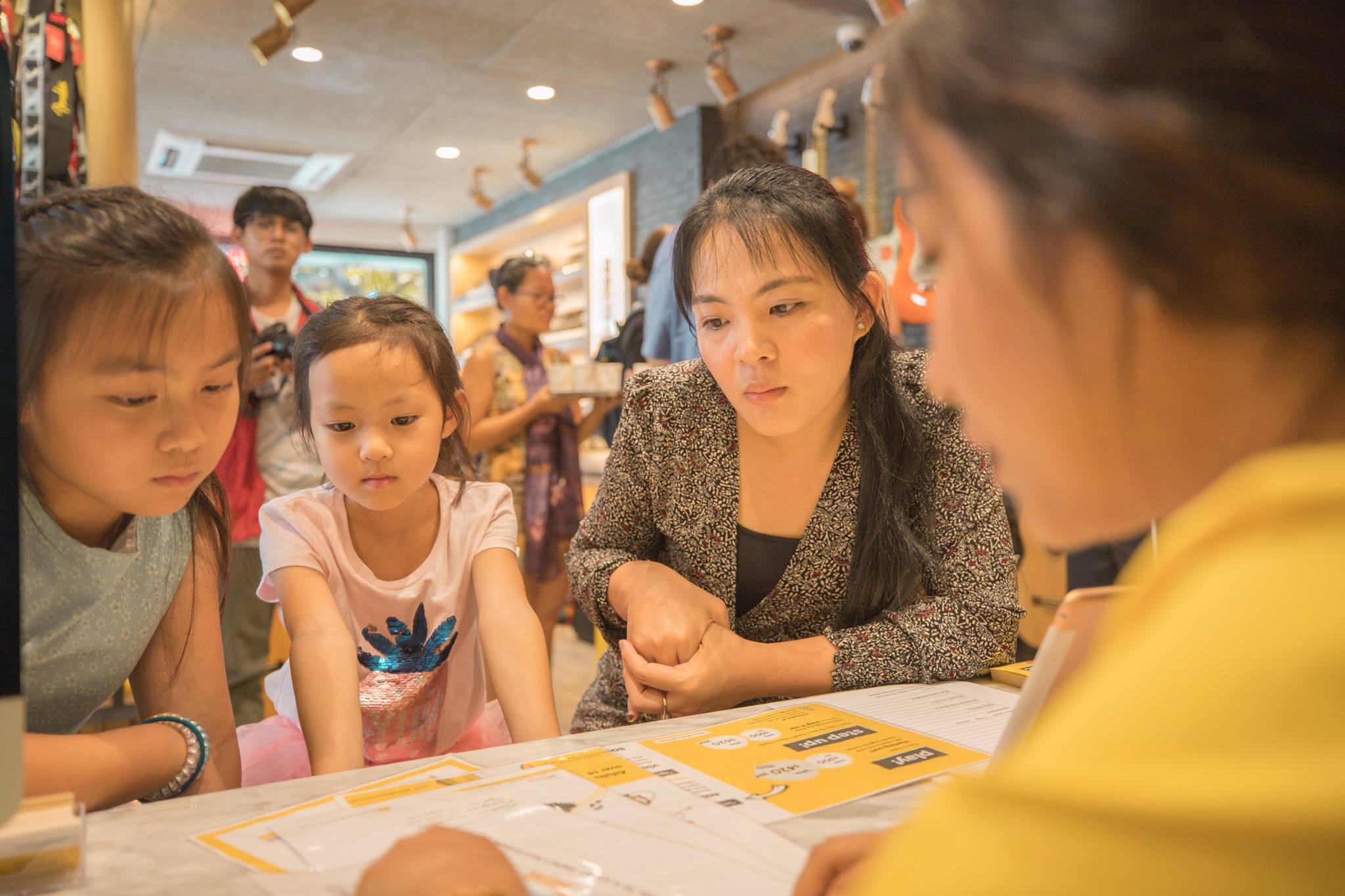
For many instruments, ages five to seven is a sensible starting window. That is when a lot of children can begin following a weekly routine, develop basic coordination, and start understanding musical patterns. Earlier exposure is still useful, but it often works better through group discovery, singing, listening, and movement rather than formal instrument study.
A rough starting guide
- Ages 3 to 5: musical exposure, movement, singing, and early group learning.
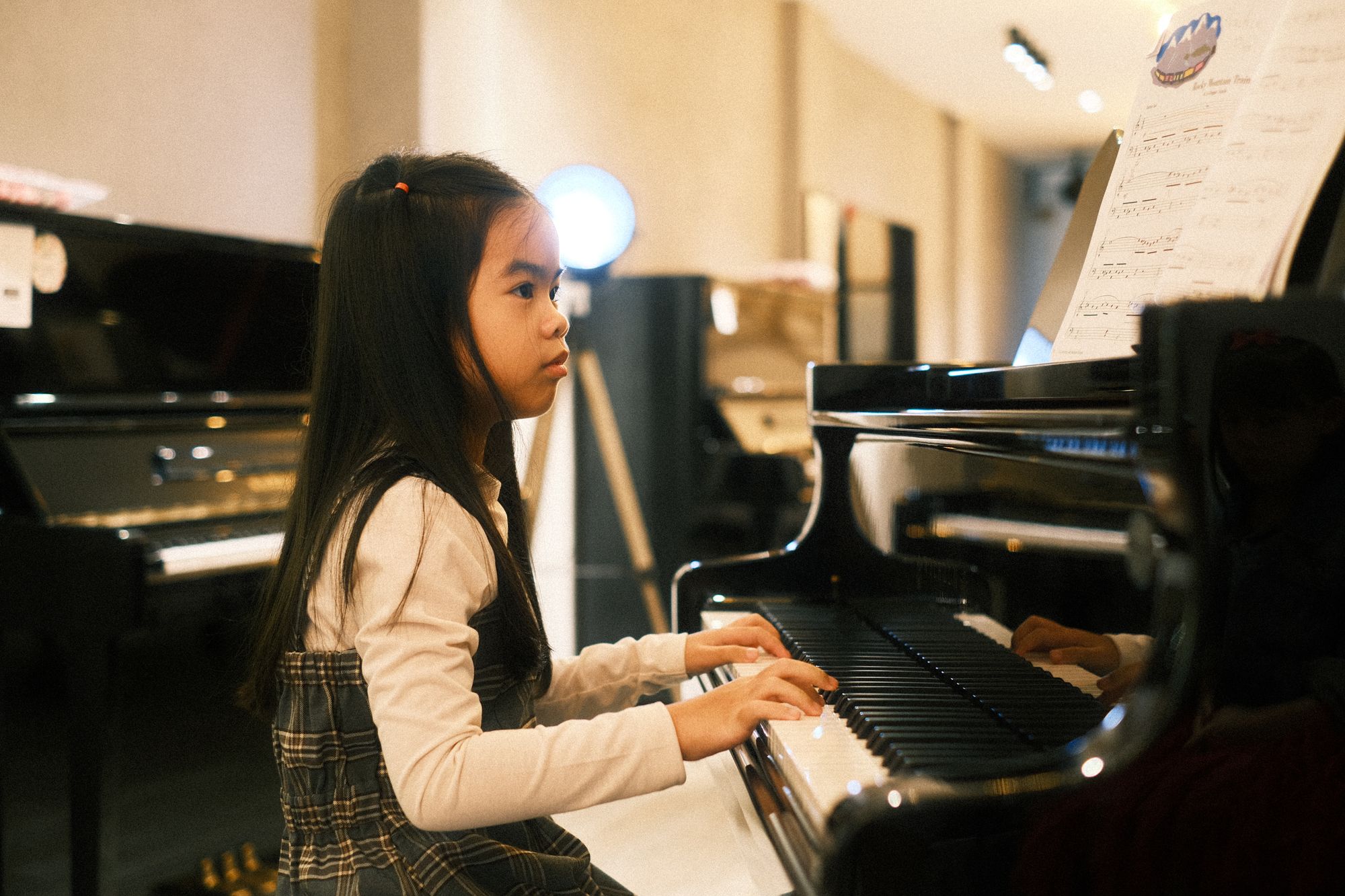
- Ages 5 to 7: a good starting point for piano, voice, and some group instruments.
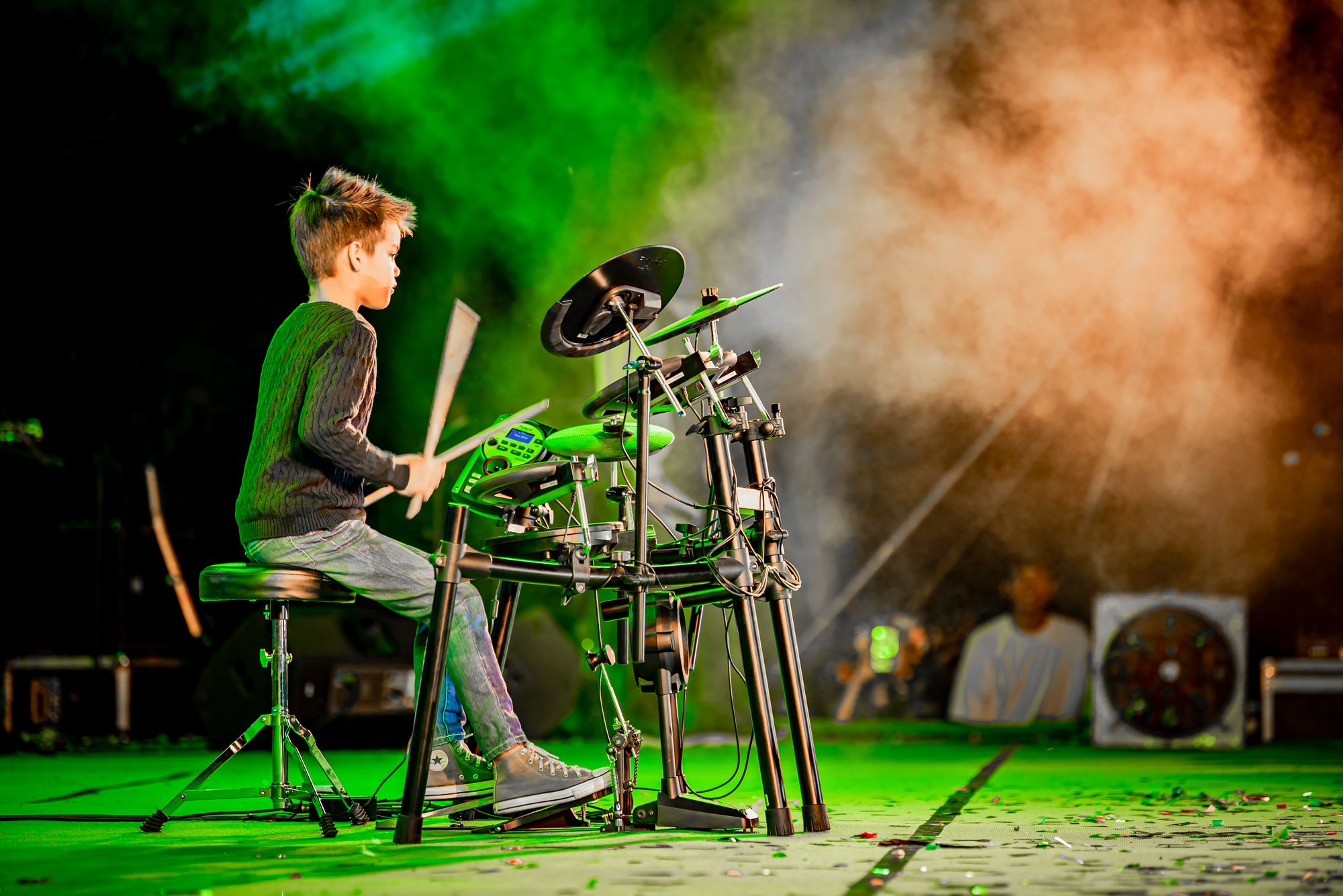
- Ages 6 to 8: often a more workable window for drums, guitar, violin, and other instruments needing more coordination.
- Older than 8: still absolutely fine. Plenty of students start later and do very well.
Instrument choice changes the answer
Piano usually works earlier because the instrument is visually clear and physically stable. A younger student can sit, press, repeat, and hear the result immediately. Guitar and violin often ask for more hand strength and coordination. Drums need limb coordination and enough body size to manage the setup properly. Saxophone needs breath control and a body that can handle the instrument comfortably.
Signs a child may be ready
Parents do not need a laboratory test. A few ordinary signals are usually enough. The child can sit with a teacher for part of a lesson. They can copy a simple rhythm or pitch. They can remember a short instruction and repeat it. They show some curiosity instead of total resistance. That is already a workable base.
The opposite is also useful information. If a child cannot settle for even a few minutes, gets distressed by correction, or has no interest in the sound at all, forcing formal lessons too early can make the whole thing feel heavy.
Group or private?
That depends on the child. Group classes can be brilliant for confidence, social energy, and early musical exposure. Private lessons usually help when the child needs focused attention, a slower pace, or more individual correction. Some students grow beautifully in groups first and move into private lessons later. Others need one-to-one structure from the start.
What parents should expect at the beginning
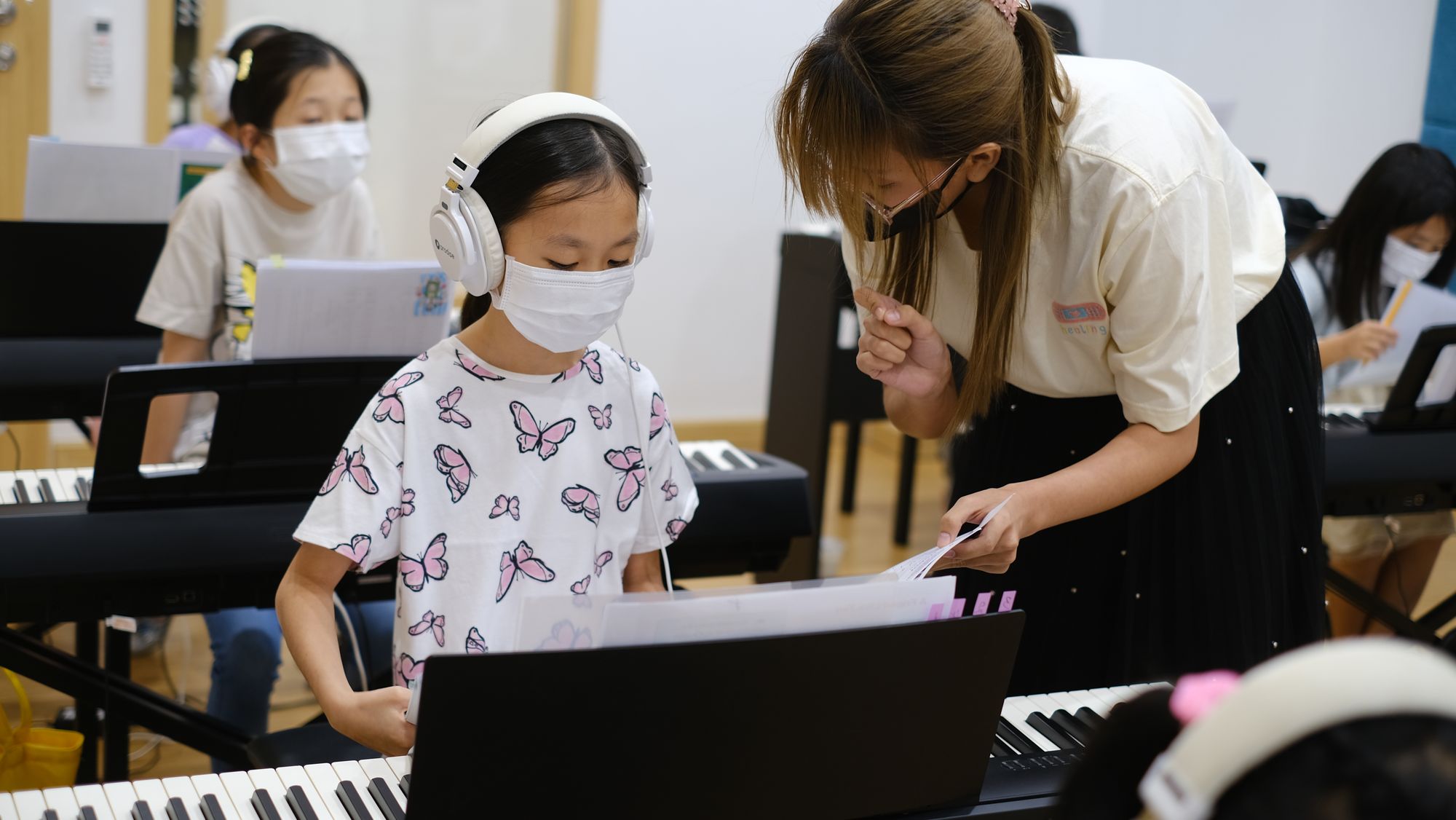
Early lessons are usually about routine, attention, and small repetitions. Parents sometimes expect the child to come home playing full songs straight away. Sometimes that happens. More often, the real first wins are smaller: the child sits properly, counts better, remembers what the teacher said, and starts recognising the same material across the week.
If you are unsure
A trial lesson is often the cleanest way to find out. It tells you more than guessing from age alone. You can see whether the child connects with the teacher, whether the instrument feels manageable, and whether the lesson format suits their temperament.
Related reading
- What to Consider When Choosing a Musical Instrument
- Learning to Play the Piano in Cambodia
- Why Consistency Matters in Music Learning
If age is the main question in your household, a short trial class usually gives a better answer than another month of guessing.