
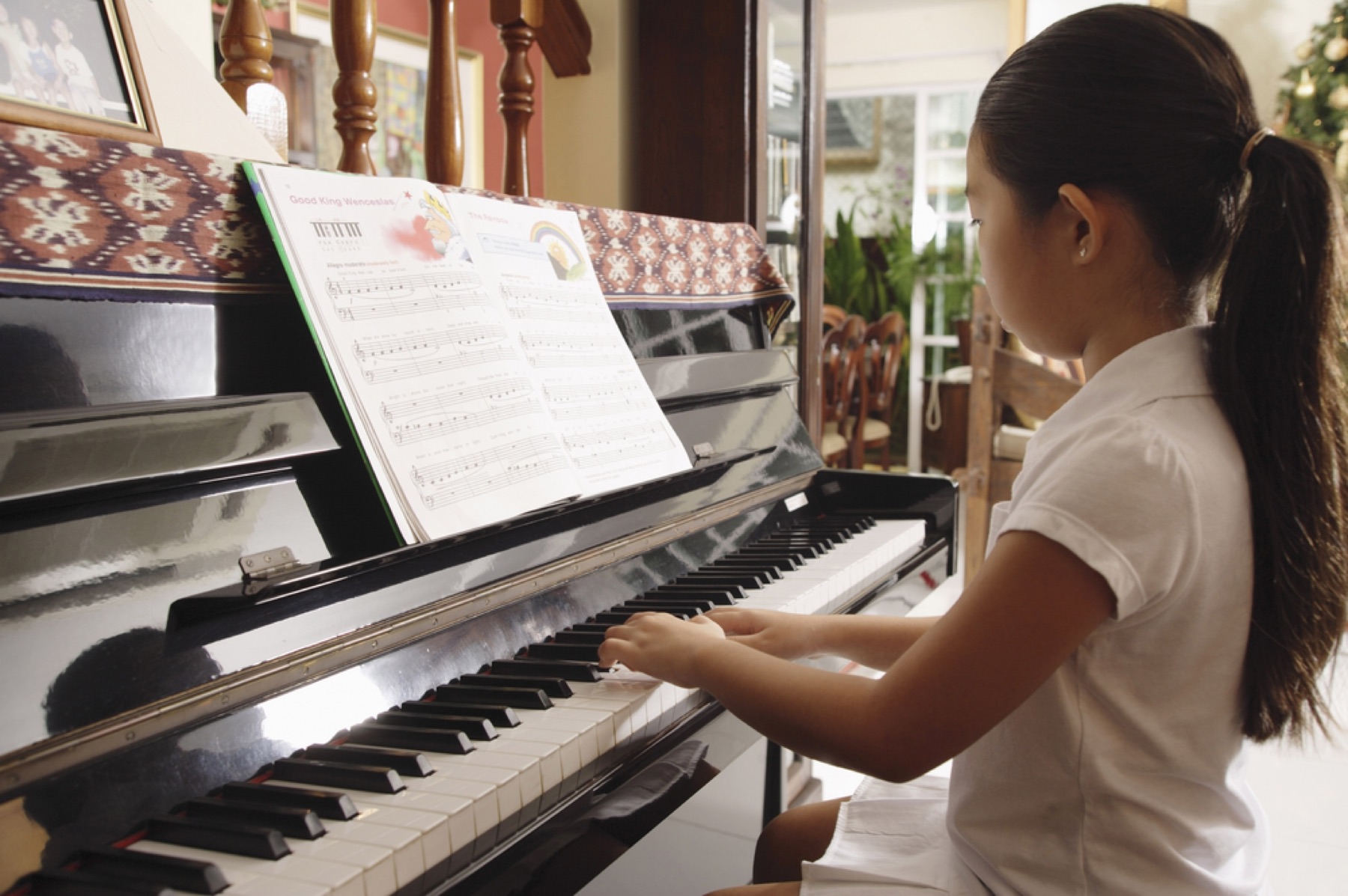
Who This Is For
What You'll Learn
Good posture does not mean looking formal. It means the body is organised enough for the hands to work without fighting the bench, the height, or dangling feet.
- What a stable piano setup looks like
- Why feet support matters earlier than many parents expect
- Which posture mistakes keep showing up in beginner lessons
Good piano posture is not about looking elegant for five seconds. It is about making the instrument playable. If the bench is wrong, the feet are swinging, or the shoulders are working too hard, even a simple lesson starts feeling clumsy.
That is why teachers keep returning to setup. A child can be trying properly and still struggle because the body is arranged badly at the keyboard.
Why posture matters so early
Piano asks the body to stay balanced while both hands do different jobs. Students need support, reach, and enough freedom to move across the keys without tightening everything above the elbows.
When posture makes sense, practice becomes calmer. Counting is easier. Hand shape is easier. Even listening improves because the student is no longer busy surviving the bench.
1. Sit forward enough to move
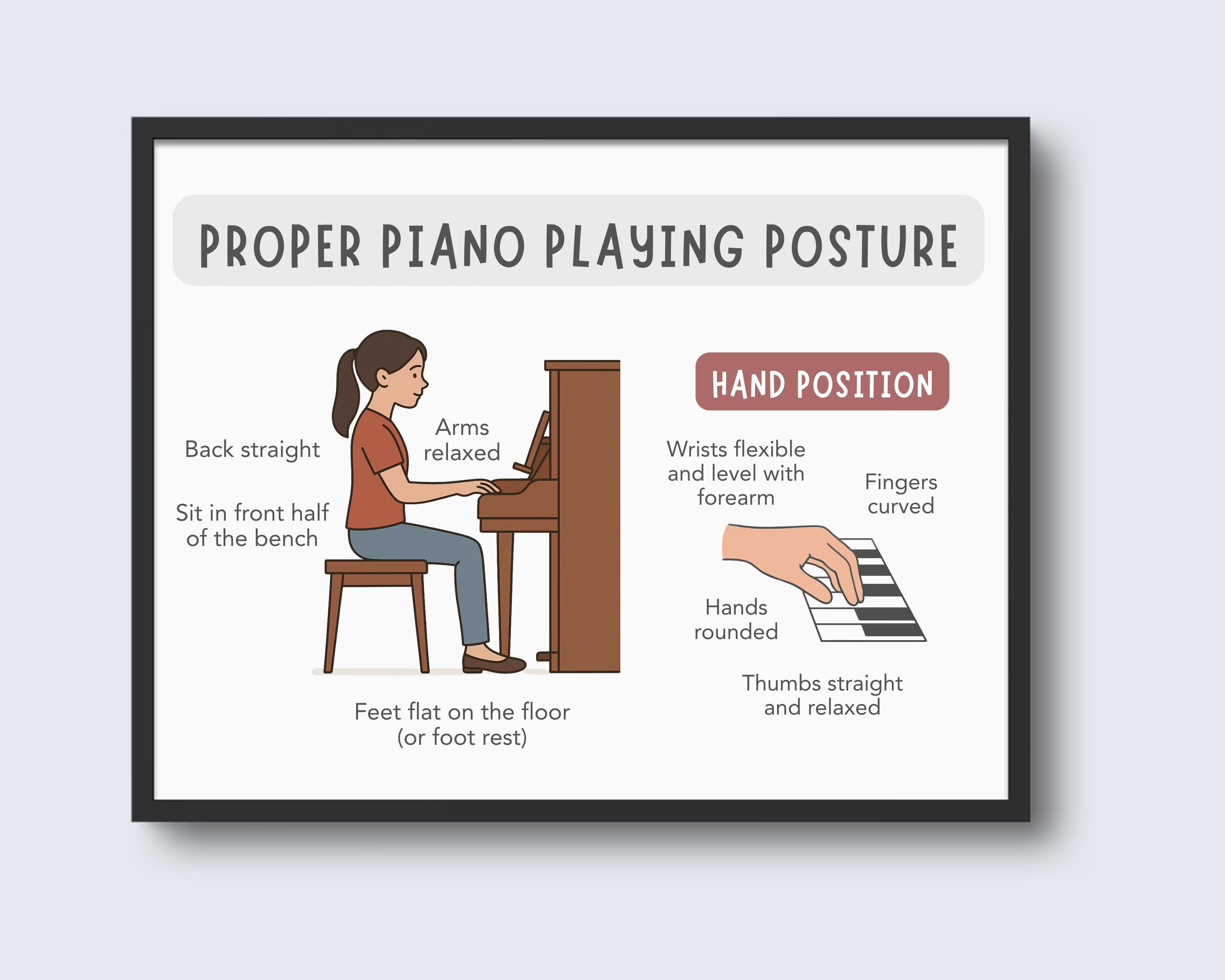
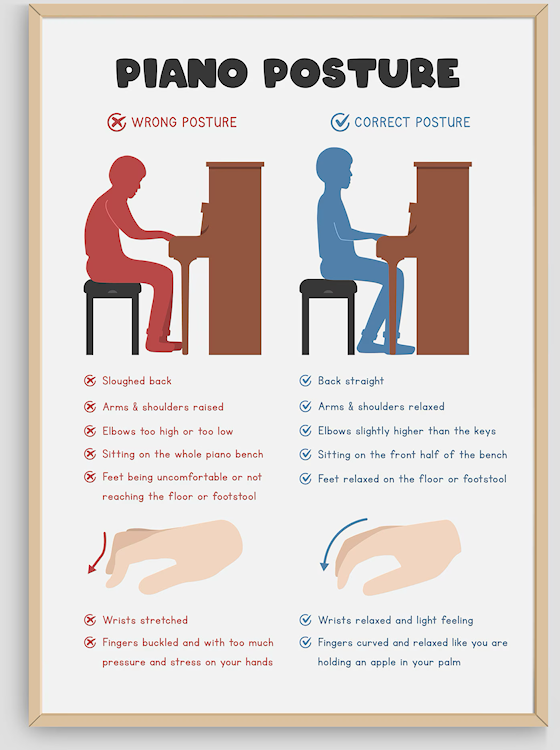
Students should not disappear into the back of the bench. Sitting a bit forward gives the hips and upper body more room to balance properly. If the student looks heavy, stuck, or too far from the keys, bench position is one of the first things worth checking.
2. Give the feet something solid
This is the part many families miss. If the feet dangle, the rest of the body usually follows. Younger beginners often improve straight away once a footstool or support is added.
Supported feet help the shoulders settle and stop the student from gripping with the upper body just to stay in place.
3. Get the bench height right
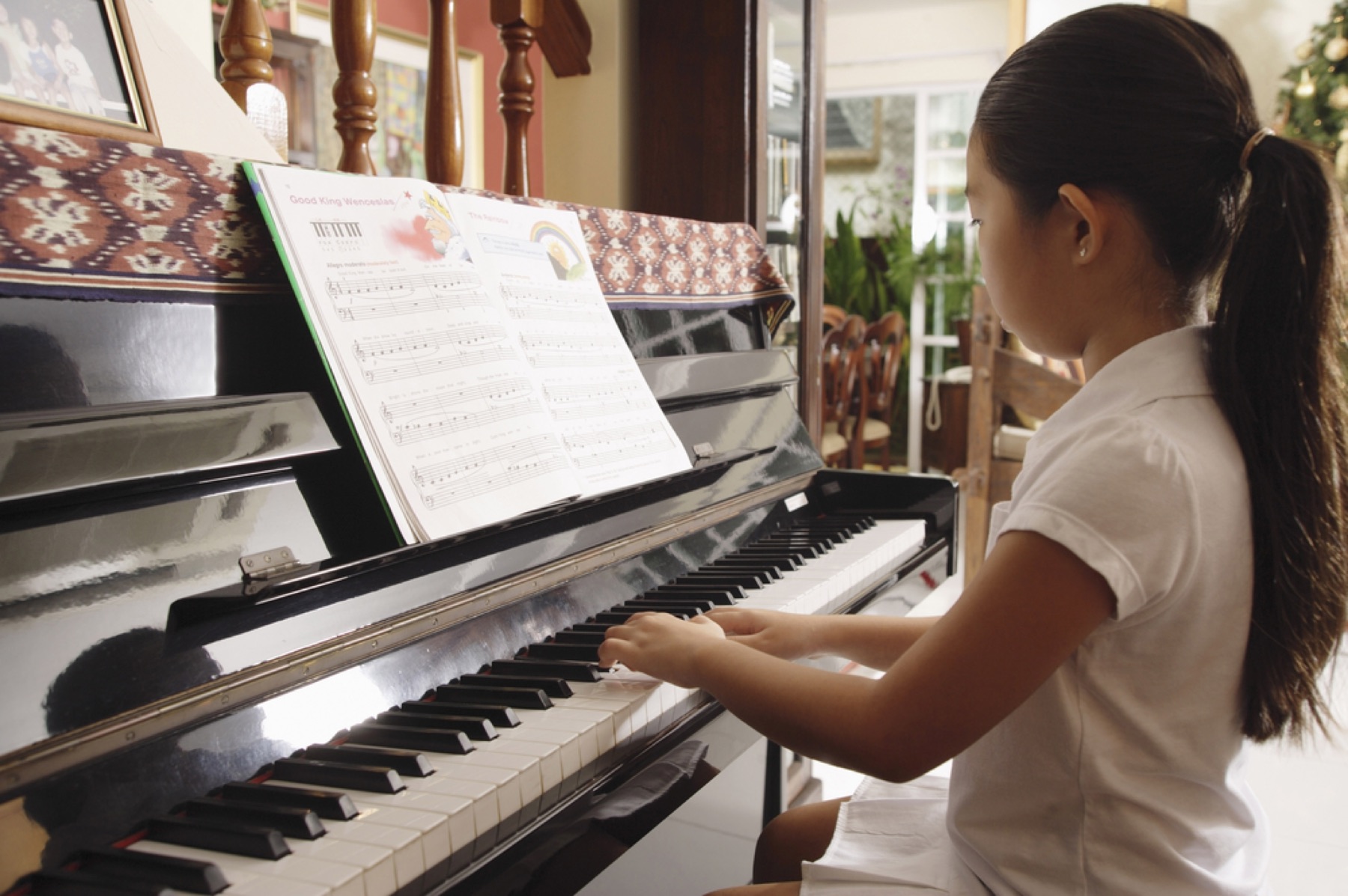
If the elbows sit much lower than the keyboard, the wrists and shoulders start doing awkward extra work. A better starting point is simple: the student should be able to reach the keys with the elbows roughly level and the shoulders still relaxed.
Wrong height makes easy pieces feel strangely hard. It also encourages tension that gets mistaken for weak technique.
4. Keep the shoulders quiet
Students often lift the shoulders when the music gets louder or faster. Teachers see it constantly. The trick is not forcing the shoulders down like a military instruction. The trick is getting the whole setup right so the shoulders stop trying to help.
A straight back should still look easy. If the neck is pushing forward and the breathing looks tight, something in the setup is still off.
Common beginner mistakes
- Bench too far back.
- Feet hanging with no support.
- Trying to fix hand shape while ignoring the rest of the body.
- Assuming a child will "grow into it" without adjusting the furniture.
What parents can watch at home
Parents do not need to stand over the practice like an examiner. A quick glance is enough. Can the child sit comfortably? Are the feet supported? Do the shoulders look calm enough for a short session?
If the answer is no every single week, the student probably needs a setup change more than another lecture about concentration.
Further Reading
The 30-Second Setup Check
- Feet supported.
- Bench forward enough for free movement.
- Elbows roughly level with the keyboard.
- Back tall, shoulders soft, breathing normal.