

Who This Is For
What You'll Learn
- RSL exams go better when the student knows what the exam actually asks for
- Starts preparing early enough that the work can settle properly. Last-minute heroics are usually a bad plan
- RSL Exams points you can use this week
RSL exams go better when the student knows what the exam actually asks for and starts preparing early enough that the work can settle properly. Last-minute heroics are usually a bad plan.
At Soundskool, the strongest exam results usually come from calm weekly work, not exam-week panic. The student should already know the pieces, the format, and the routine before recording day arrives.
Six Useful Exam Habits
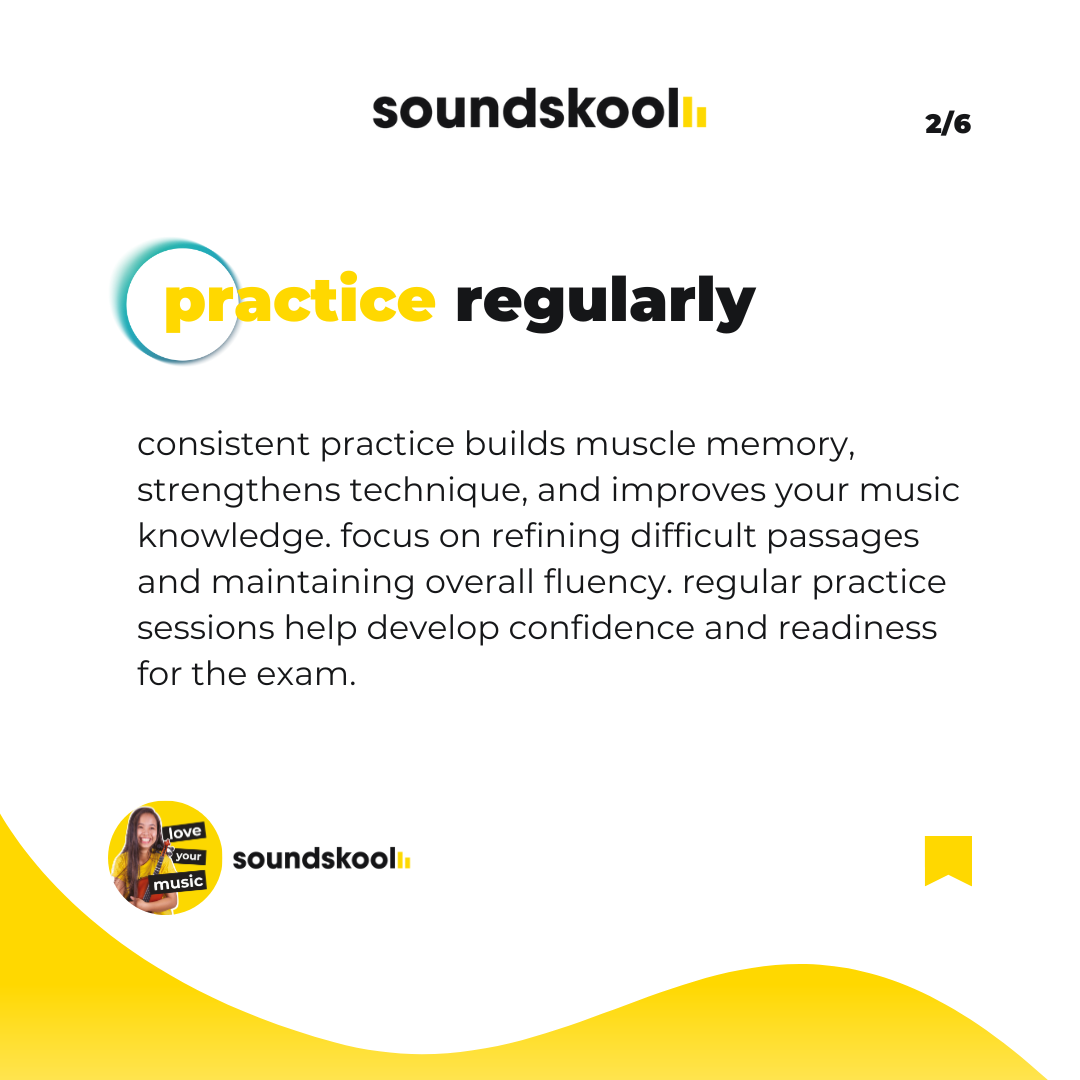
Leave room for slow work, corrections, and repeat run-throughs over time.
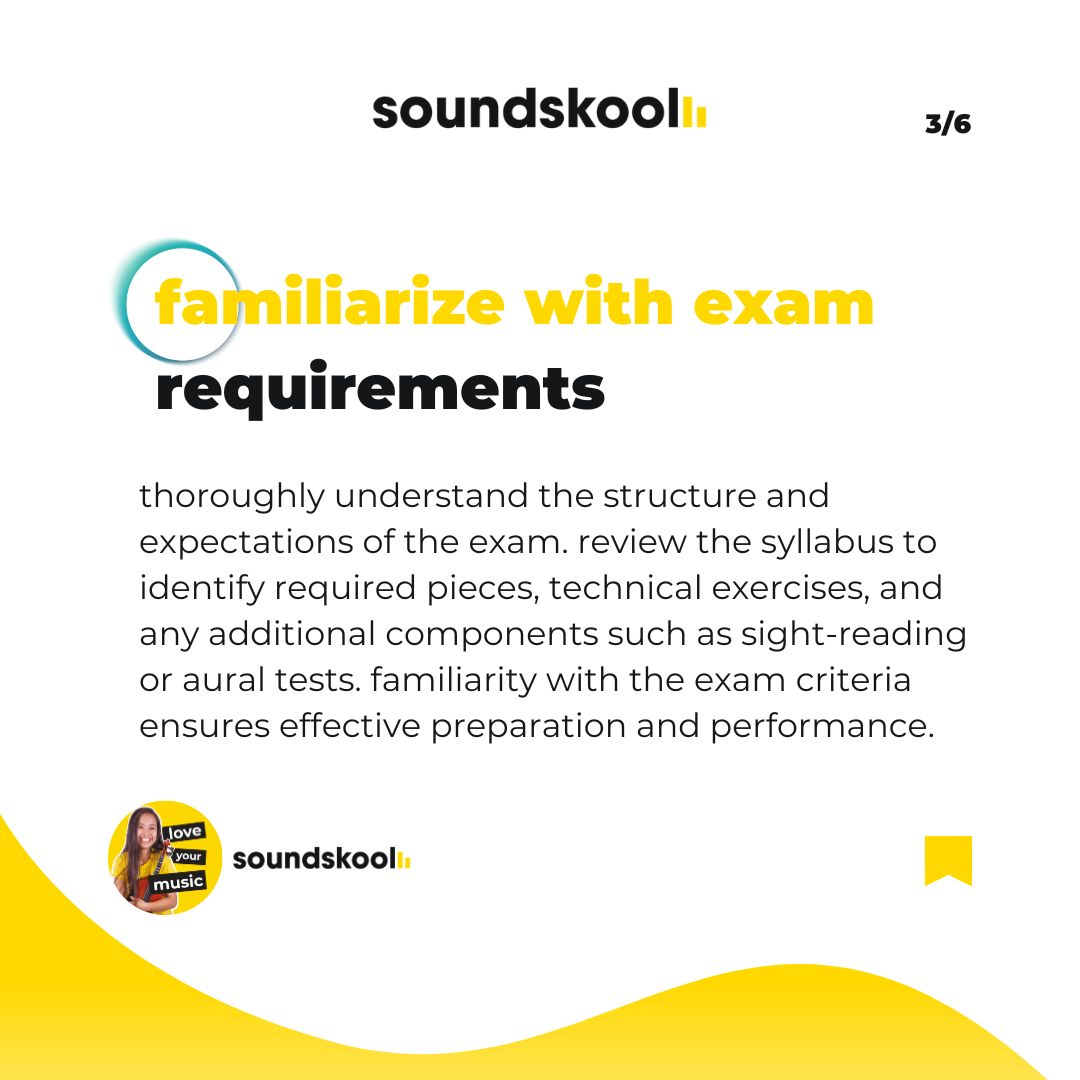
Students should understand the level, the pieces, and what the exam is listening for.
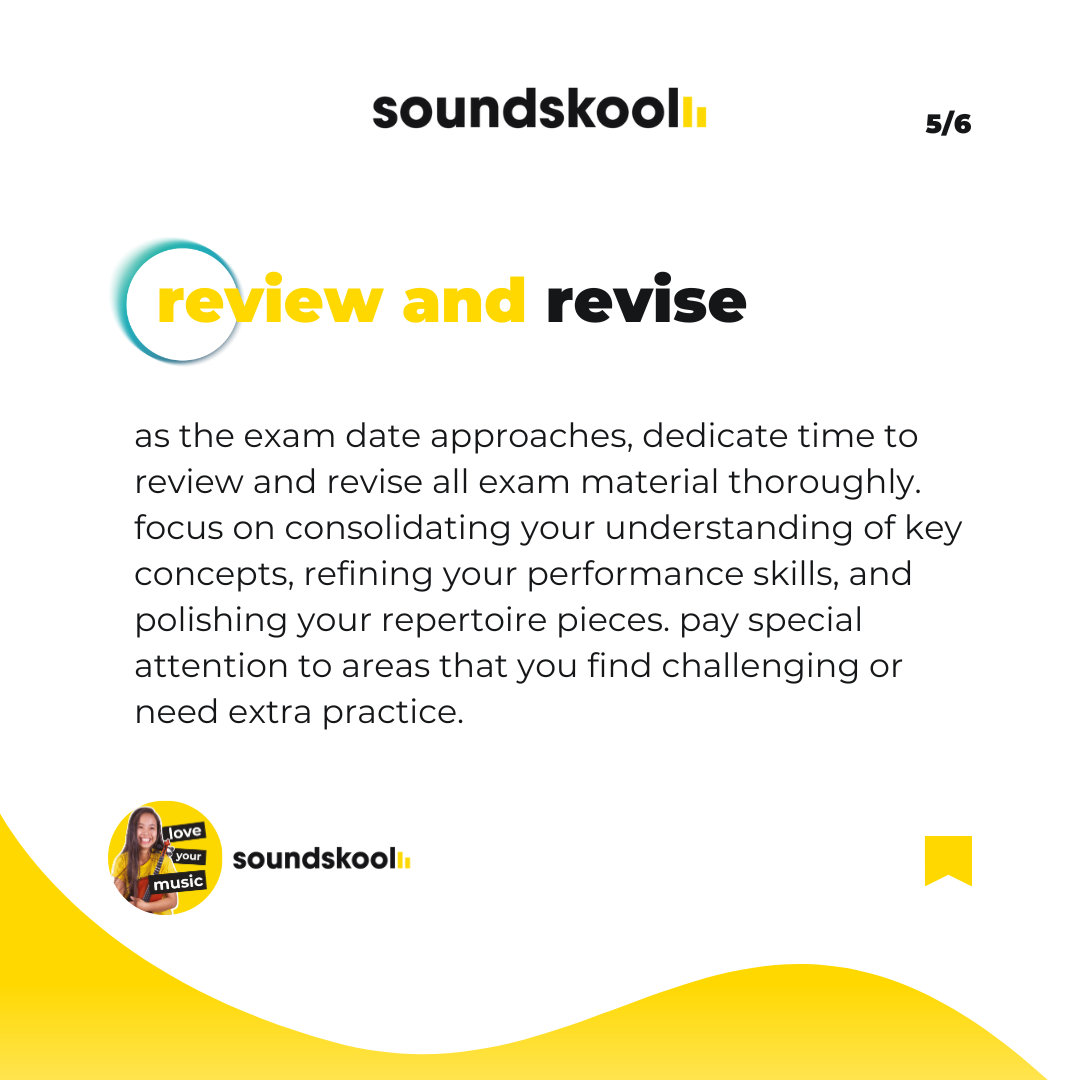
Run-throughs matter because the exam hears the whole piece, not only the favourite section.
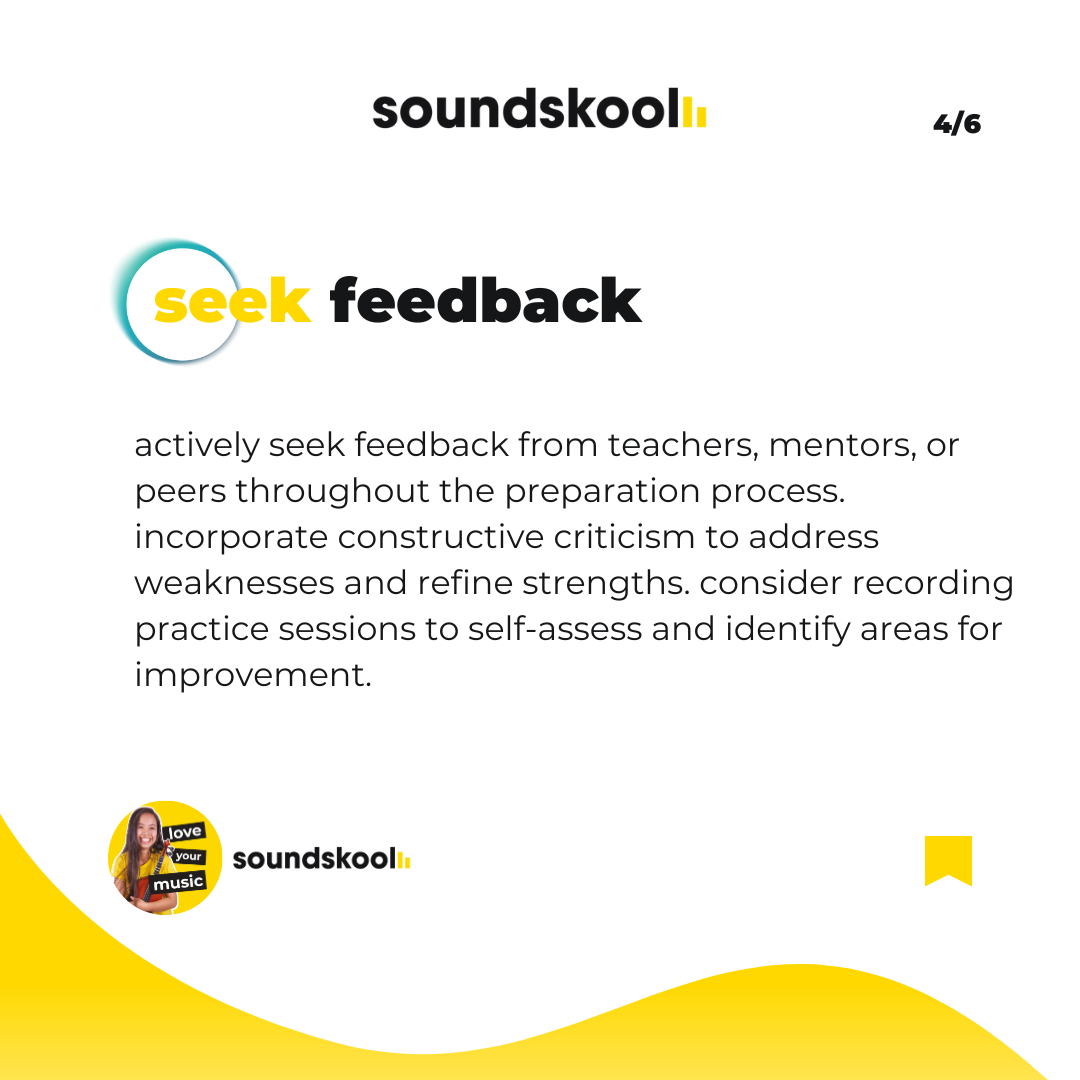
A simple recording reveals timing, slips, and weak starts very quickly.
Play for a teacher, parent, or friend before exam week so the first full take does not feel strange.
In the final week, keep the routine steady instead of cramming more and more.
Preparation should match the exam format
Students need to know whether they are preparing repertoire, technical work, backing tracks, or recorded submissions. A lot of wasted practice comes from students working hard without understanding the format properly.
Use the last two weeks differently
Closer to the exam, practice should shift toward cleaner full takes, steadier starts, and better recovery after slips. This is not the best time to rebuild the whole piece from scratch.
Six Steps Before Exam Week
When the prep is clear and steady, exam week feels much less dramatic.

What families often get wrong
- Starting too late.
- Choosing a grade that is still too high for the routine at home.
- Practising fragments only and never doing full takes.
- Turning the final week into a pressure cooker.
Quick Takeaway
- Start early enough that the work has time to settle.
- Know the exact format and grade expectations.
- Full run-throughs matter more as the exam gets closer.
- The final week should feel calmer, not louder.
Useful Reading Outside Soundskool
- RSL Awards: Graded Music Exams for official grade structure, exam formats, and support materials.
- RSL Awards: Resources for syllabus, guidance, and current candidate materials.