

Who This Is For
What You'll Learn
- Music theory can sound intimidating if you picture pages of symbols
- Rules. In real lessons
- It is much simpler than that. Theory is the part that helps students understand what they are playing
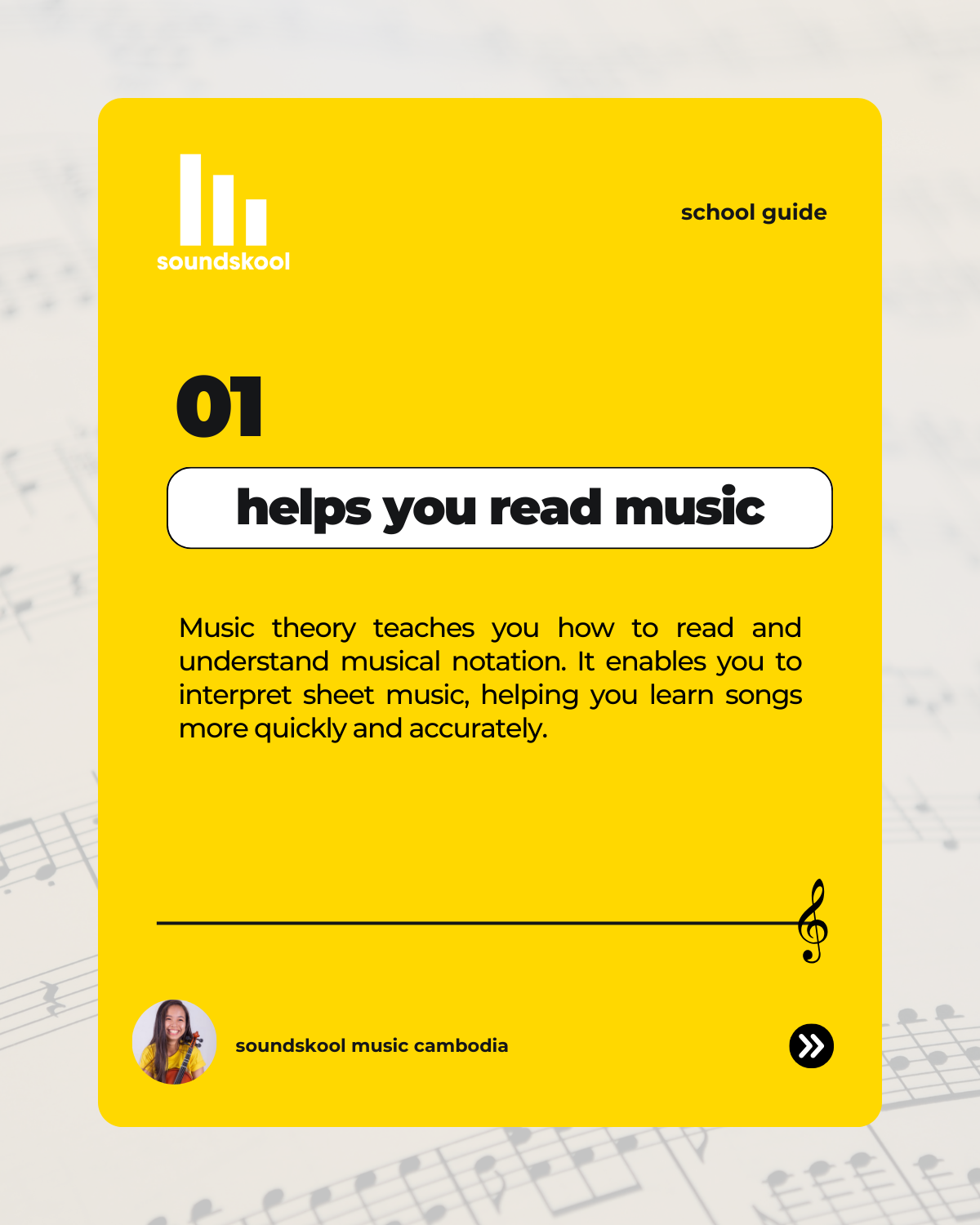
Music theory can sound intimidating if you picture pages of symbols and rules. In real lessons, it is much simpler than that. Theory is the part that helps students understand what they are playing, hearing, counting, and reading.
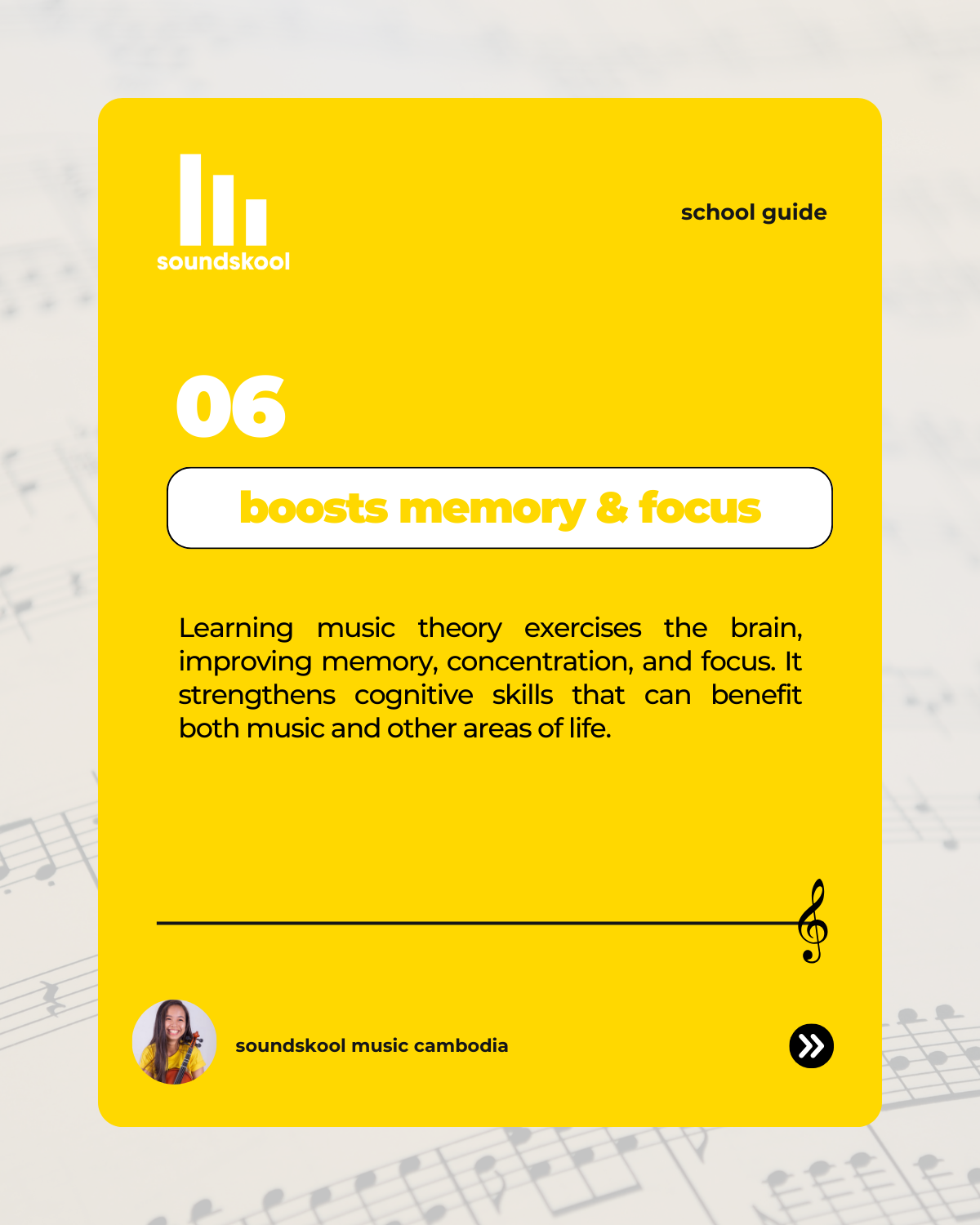
When a student knows where beat one sits, why a chord changes, or how a rhythm is grouped, the instrument starts making more sense. That matters for beginners, but it matters even more as songs get longer and exam material gets harder.
What Theory Actually Is
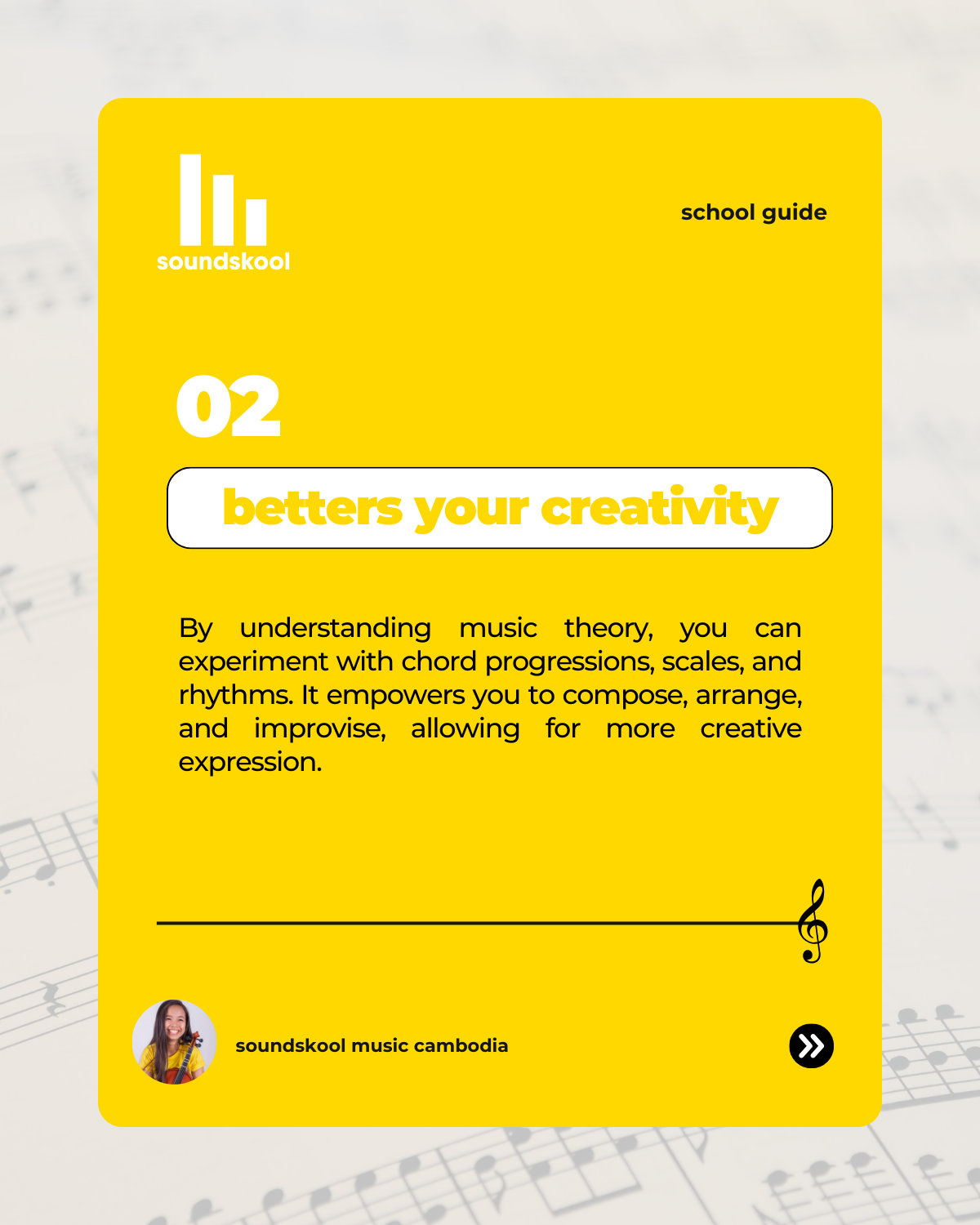
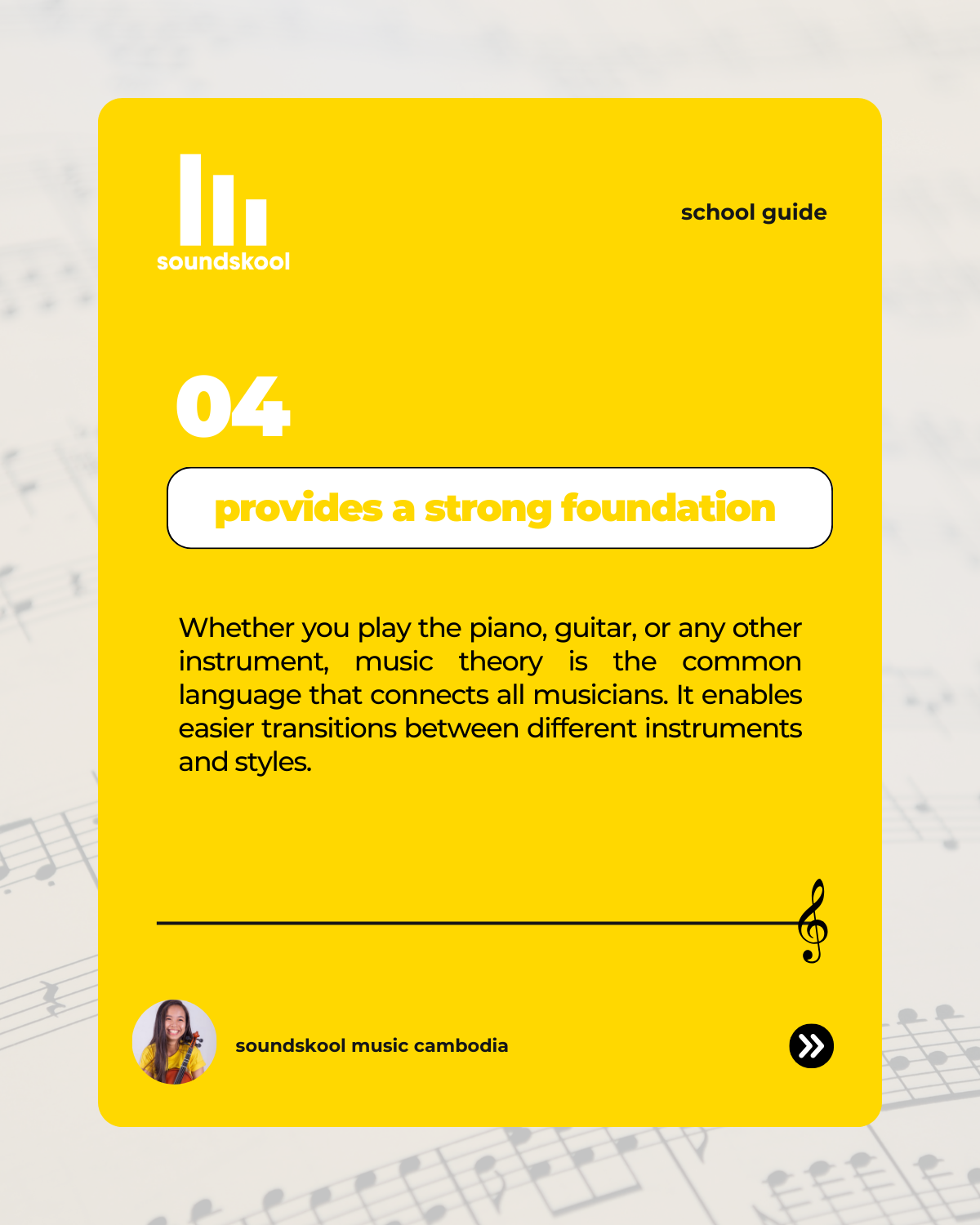
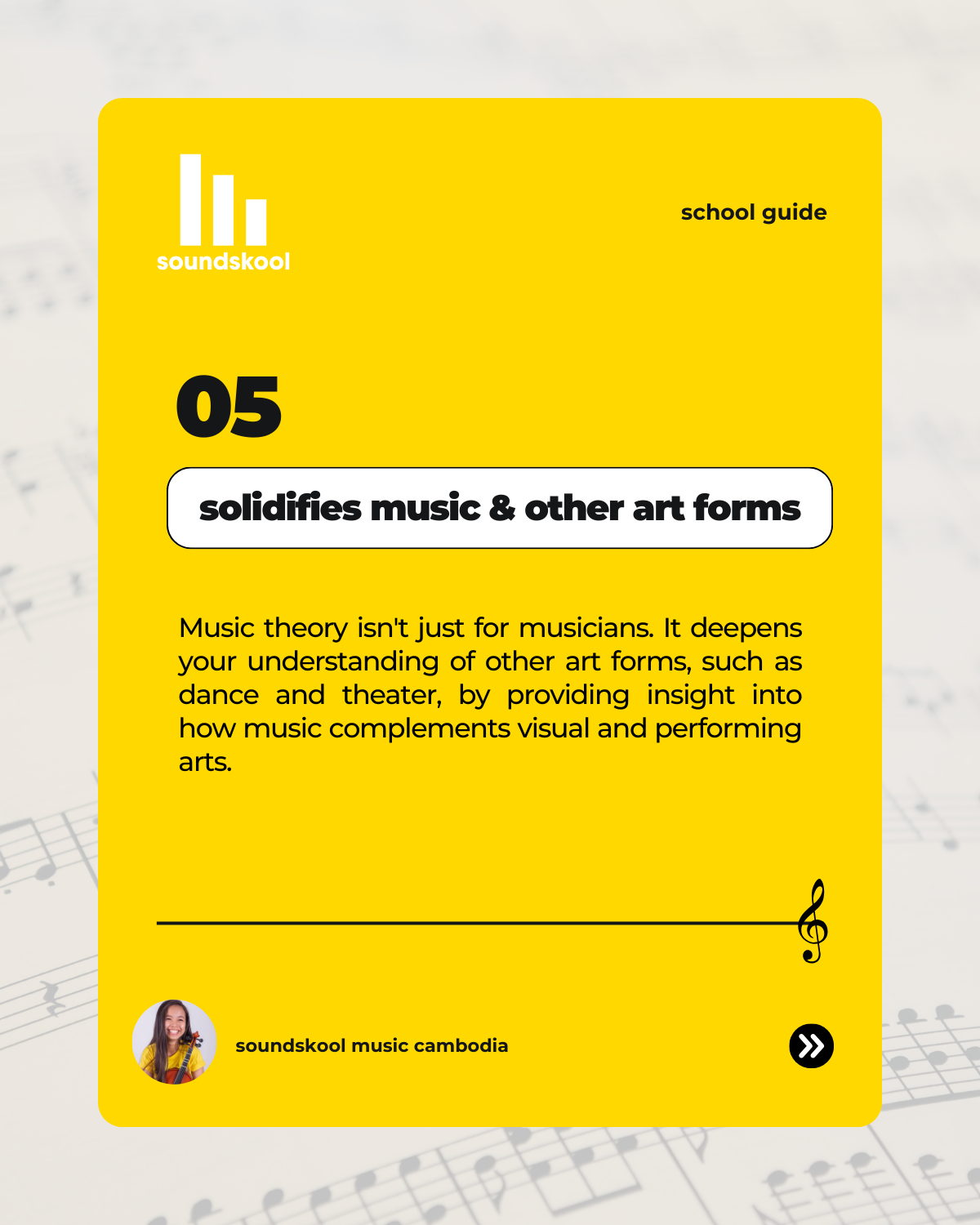
Theory is the language behind the lesson. It includes note names, rhythm values, key signatures, intervals, chords, scales, and the patterns that hold music together. Students do not need to master all of that at once. They need it in the right order, at the point where it helps the music in front of them.
What Theory Looks Like In A Real Lesson
- Reading the direction of notes on the stave.
- Counting a rhythm properly instead of guessing.
- Understanding why a chord shape sounds tense or settled.
- Hearing the difference between a clean phrase and a messy one.
Why It Helps Beginners
Beginners who learn a bit of theory alongside their instrument usually become less dependent on memory tricks. They can work out patterns. They can read more confidently. They recover faster when they lose their place. Parents also find home practice easier because the student has names for things instead of saying, "I do not know, the bit after that bit."
Why It Helps Older Students
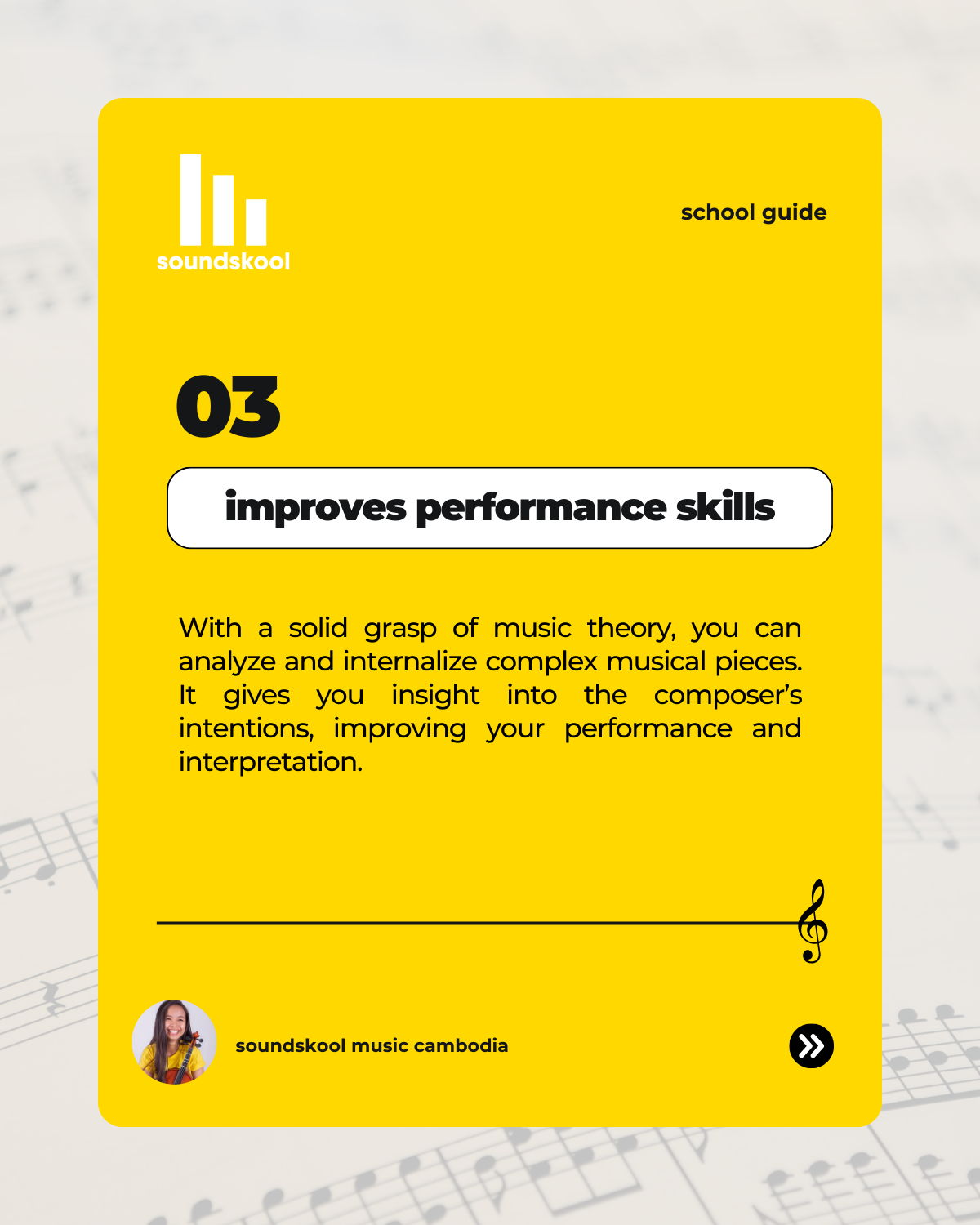
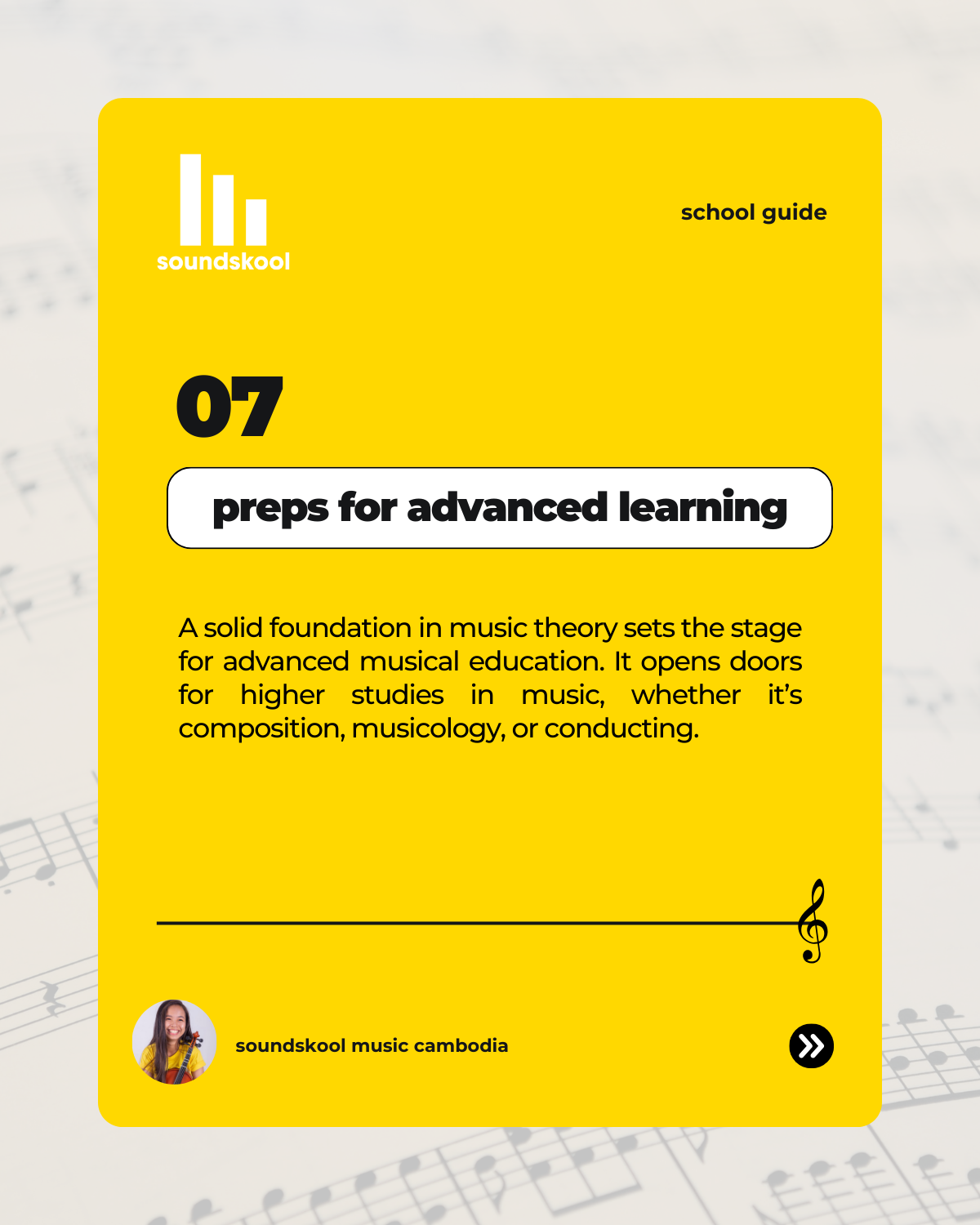
Once students move into ensemble work, songwriting, or music grade exams, theory becomes even more practical. It helps with chart reading, arrangement decisions, transposition, listening tests, and communication with teachers or bandmates. The student who understands the structure of a song usually learns it faster.
Theory In Practice
Theory starts making sense when students can see it, hear it, and use it in the same week.
What Theory Should Not Feel Like
Theory should not feel like punishment for liking music. If it turns into memorising disconnected facts, the teaching has drifted off course. Good theory teaching stays attached to real songs, real listening, and what the student is doing in the room that week.
Quick Takeaway
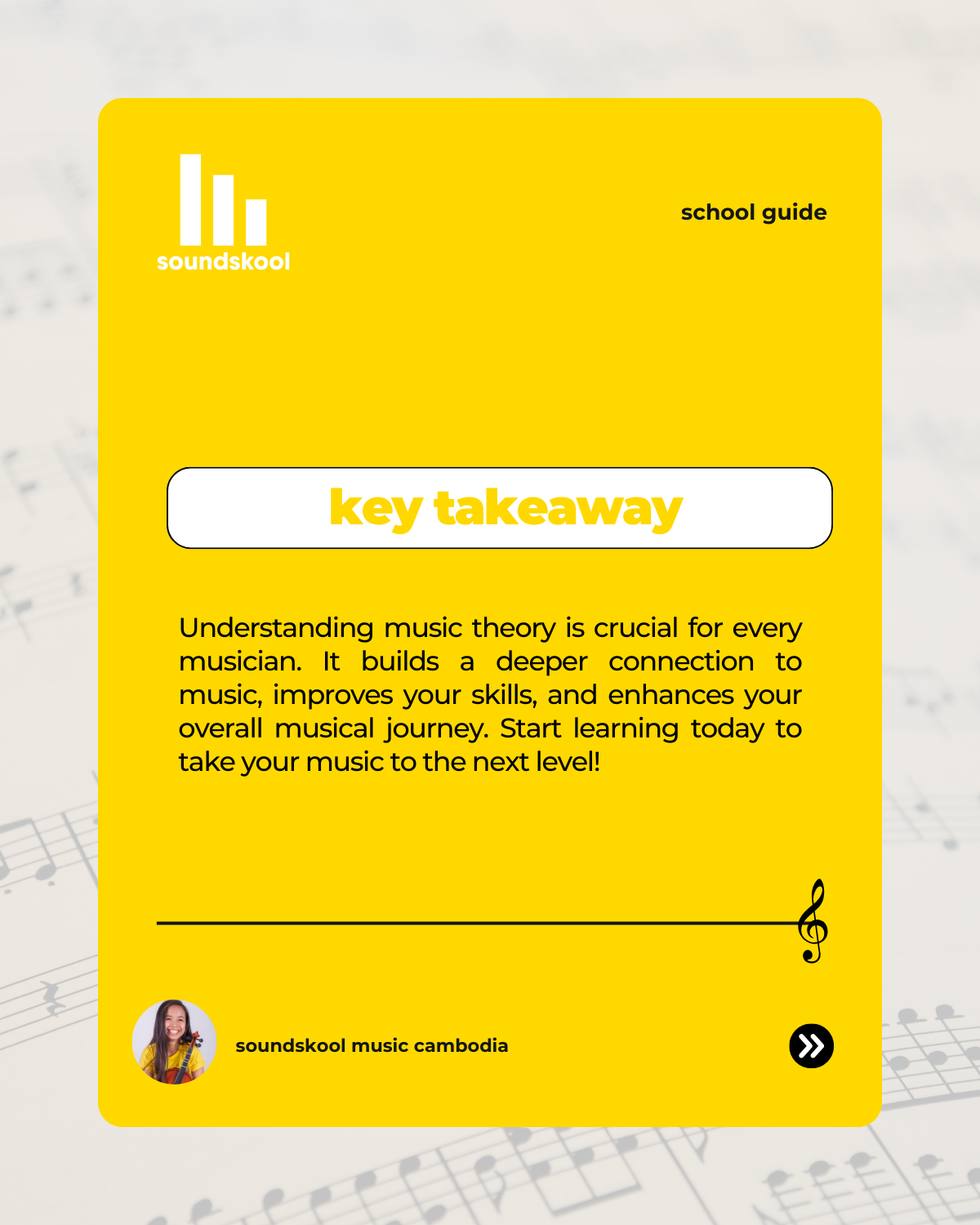
- Theory gives students names for what they are hearing and playing.
- It helps with rhythm, reading, memory, and communication in lessons.
- Good theory teaching stays attached to real songs and real exercises.
Useful Reading Outside Soundskool
- Britannica: Musical Theory for a broad overview of the subject and its history.
- RSL Awards for graded pathways where theory knowledge supports practical music-making.