
Who This Is For
What You'll Learn
Simple violin care matters more than fancy products. Most problems start with rosin dust, bad storage, tired strings, or a bow left under tension for too long.
- What to wipe after every practice
- How to store the violin and bow safely
- Which warning signs should go to a teacher or repair shop
Violins do not need pampering, but they do punish neglect quite efficiently. A student can practise well all week and still turn up to the next lesson with a sticky string, a leaning bridge, or a bow that has been left tight in the case since Sunday.
Most families only need a few habits. The aim is simple: keep the instrument clean, keep the setup stable, and catch small problems before they become repair work.
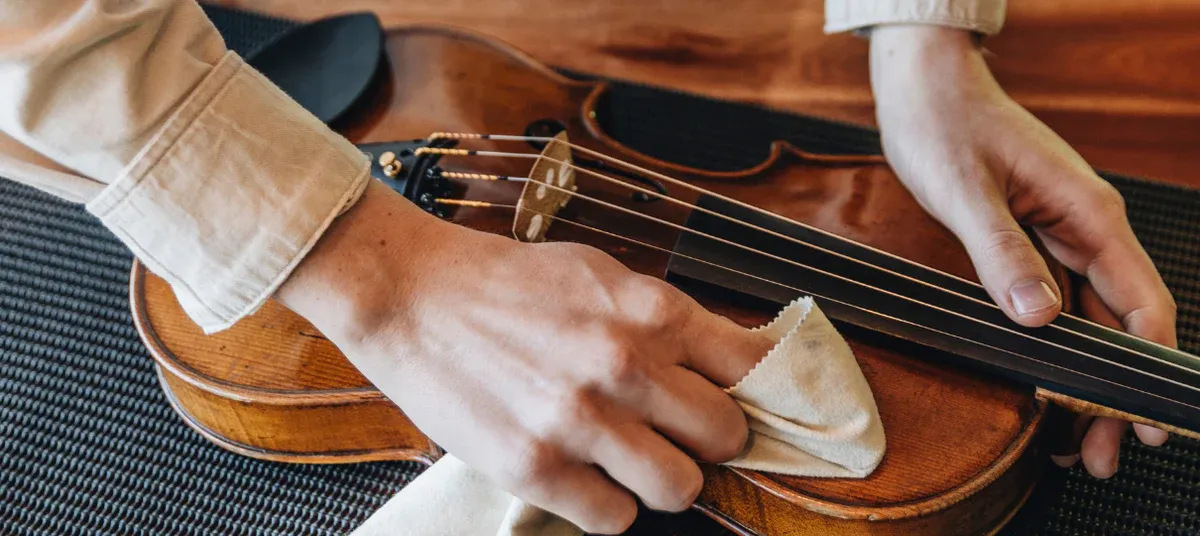
1. Wipe it every time
Rosin dust builds up faster than people expect. So does sweat around the neck, chinrest, and fingerboard. After playing, use a dry soft cloth and wipe the strings, fingerboard, and the top of the instrument. It takes less than a minute.
That quick wipe is one of the cheapest ways to protect tone and varnish. Skip it for a few weeks and the violin starts looking and sounding tired.
2. Put it back in the case properly
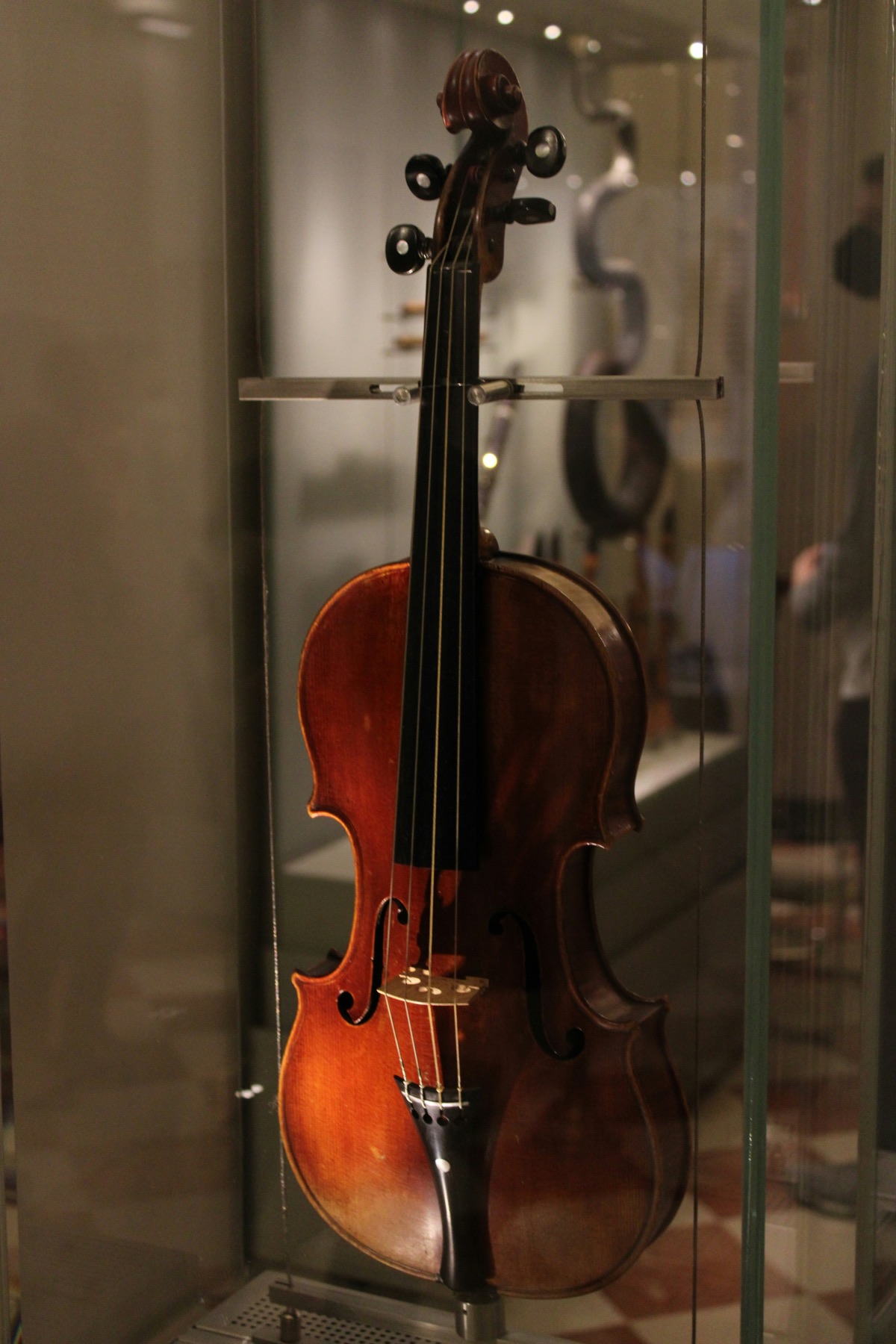
A violin should not be left on a chair, on a piano top, or leaning against furniture while everyone goes to dinner. Once practice is done, the instrument goes back in the case.
This matters even more in Cambodia, where heat, rain, air-con, and travel between rooms can move the wood around. The safest place for the violin is usually the case, stored somewhere calm and out of direct sun.
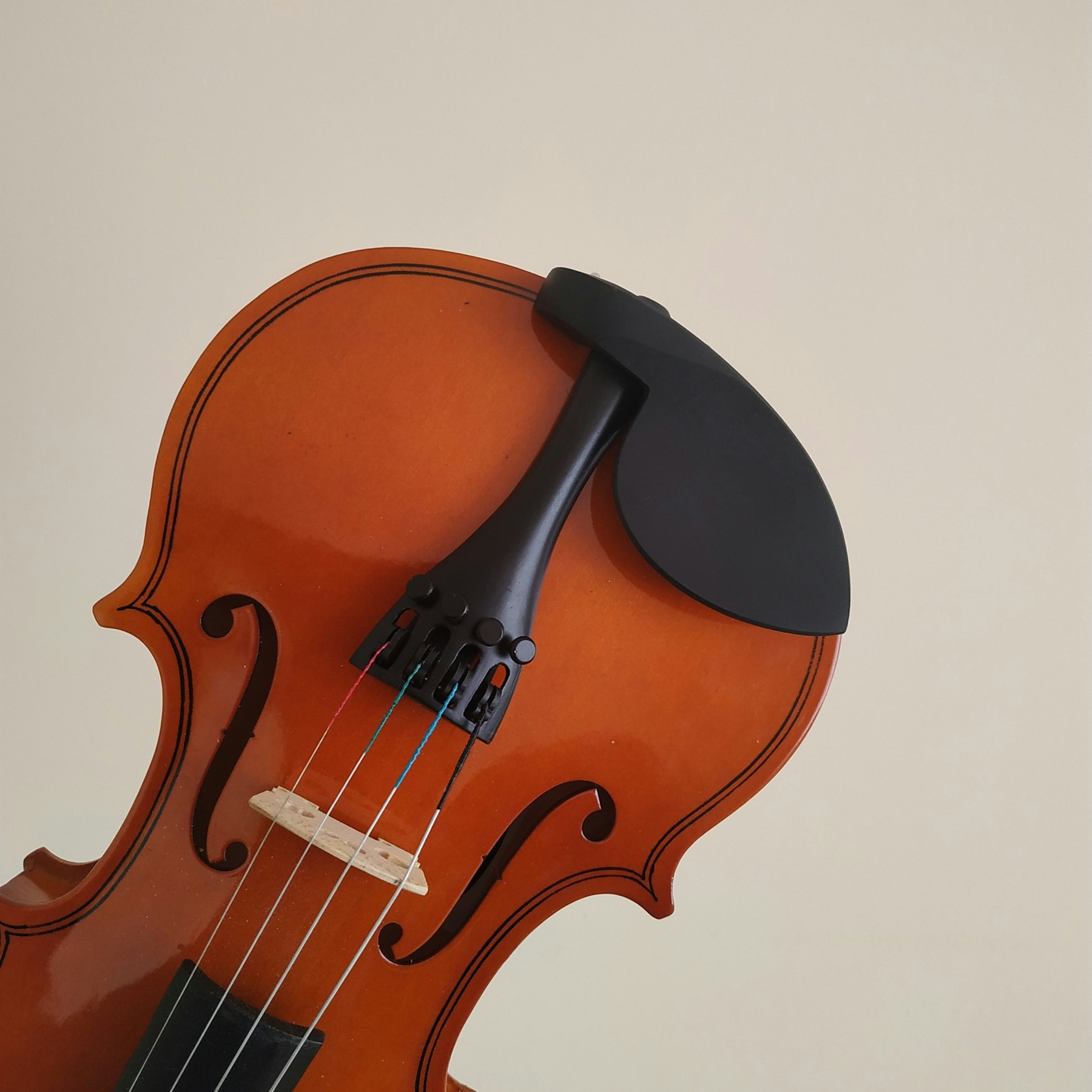
3. Keep an eye on the bridge
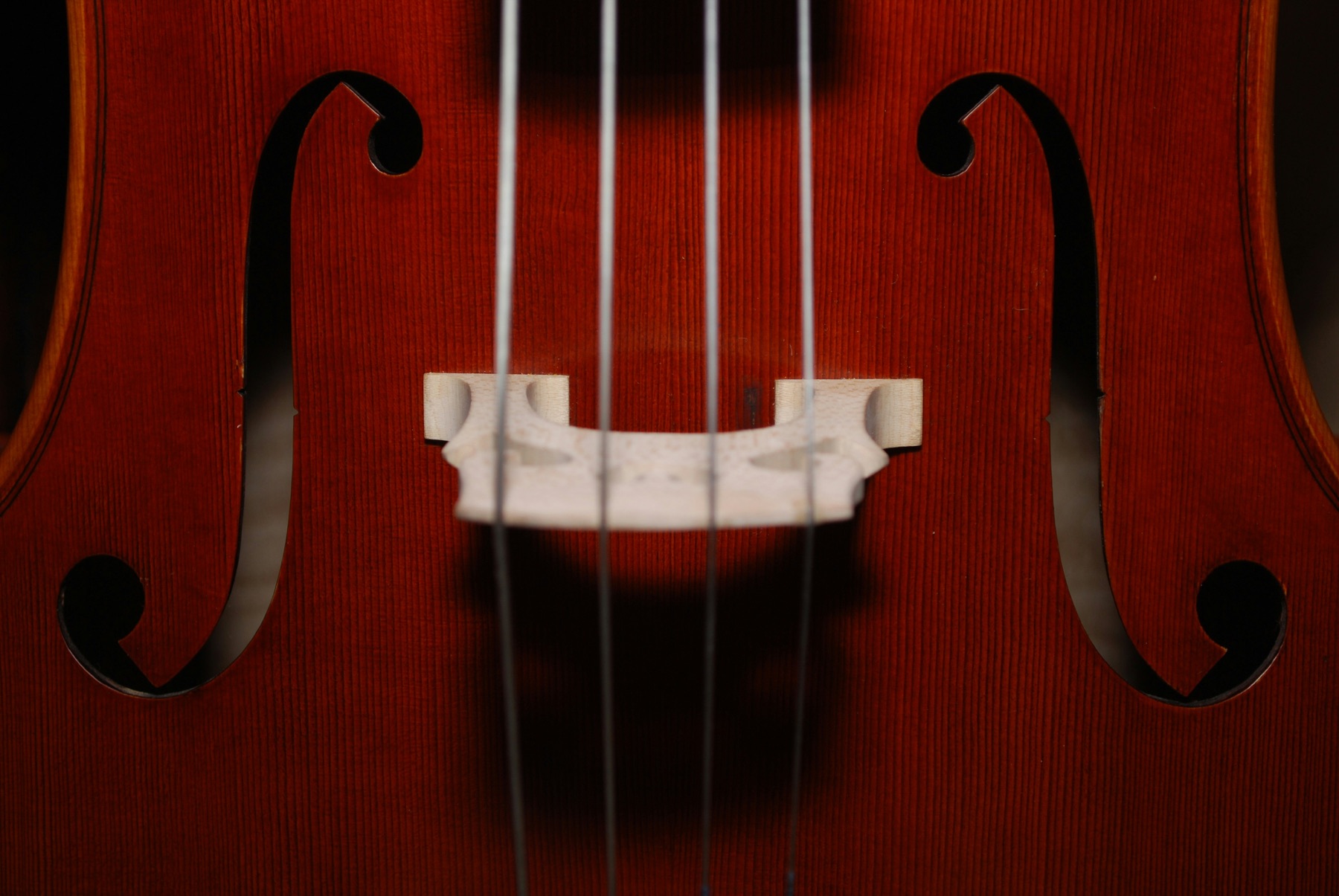
The bridge should sit upright, not slowly leaning forward under string tension. Families often miss this because the violin still makes sound, until one day the bridge is badly angled and the setup is no longer comfortable.
If the bridge looks crooked, ask the teacher or shop to check it. This is not the place for brave home experiments if you do not already know what you are doing.
4. Loosen the bow after playing
This one is easy to forget and expensive to ignore. Bow hair should be tightened for playing and loosened again when the student finishes. If it stays tight all the time, the stick can lose its shape and the bow stops behaving properly.
Also, do not touch the bow hair with fingers unless there is a real reason. Skin oils and dirt get in the way quickly.
5. Strings do not last forever
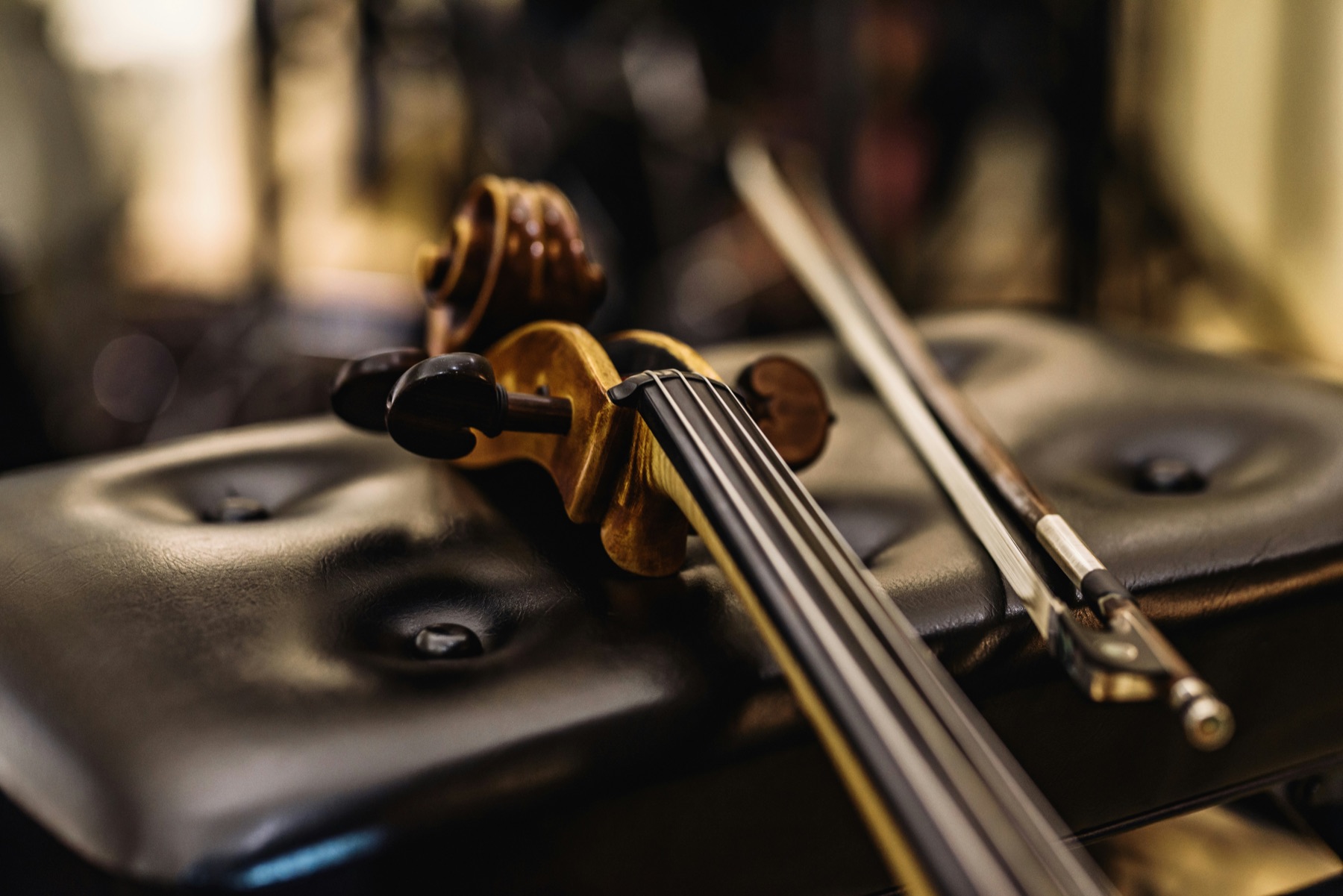
Students often assume strings should stay on until one snaps. In real life, strings usually go dull first. The tone gets flatter, tuning becomes fussier, and the instrument stops feeling responsive.
How often strings need changing depends on how much the student plays, but a dead set should not be nursed along for half a year just because nothing has broken yet.
6. Know when to ask for help
If a seam opens, the bridge shifts badly, the pegs start fighting, or the violin suddenly buzzes in a new way, stop guessing. Teachers can often spot the issue quickly, and a repair shop can save a small problem from becoming a bigger bill.
Families do not need to become luthiers. They just need to notice when the instrument stops behaving normally.
Further Reading
A Simple Violin Care Routine
- Wipe the violin, strings, and fingerboard after playing.
- Loosen the bow hair before it goes back in the case.
- Keep the violin away from direct sun, air-con blasts, and wild humidity swings.
- If the bridge leans, a string sounds dead, or a seam opens, stop guessing and get it checked.