
Who This Is For
What You'll Learn
- How long to practise
- What to repeat first
- How posture affects progress
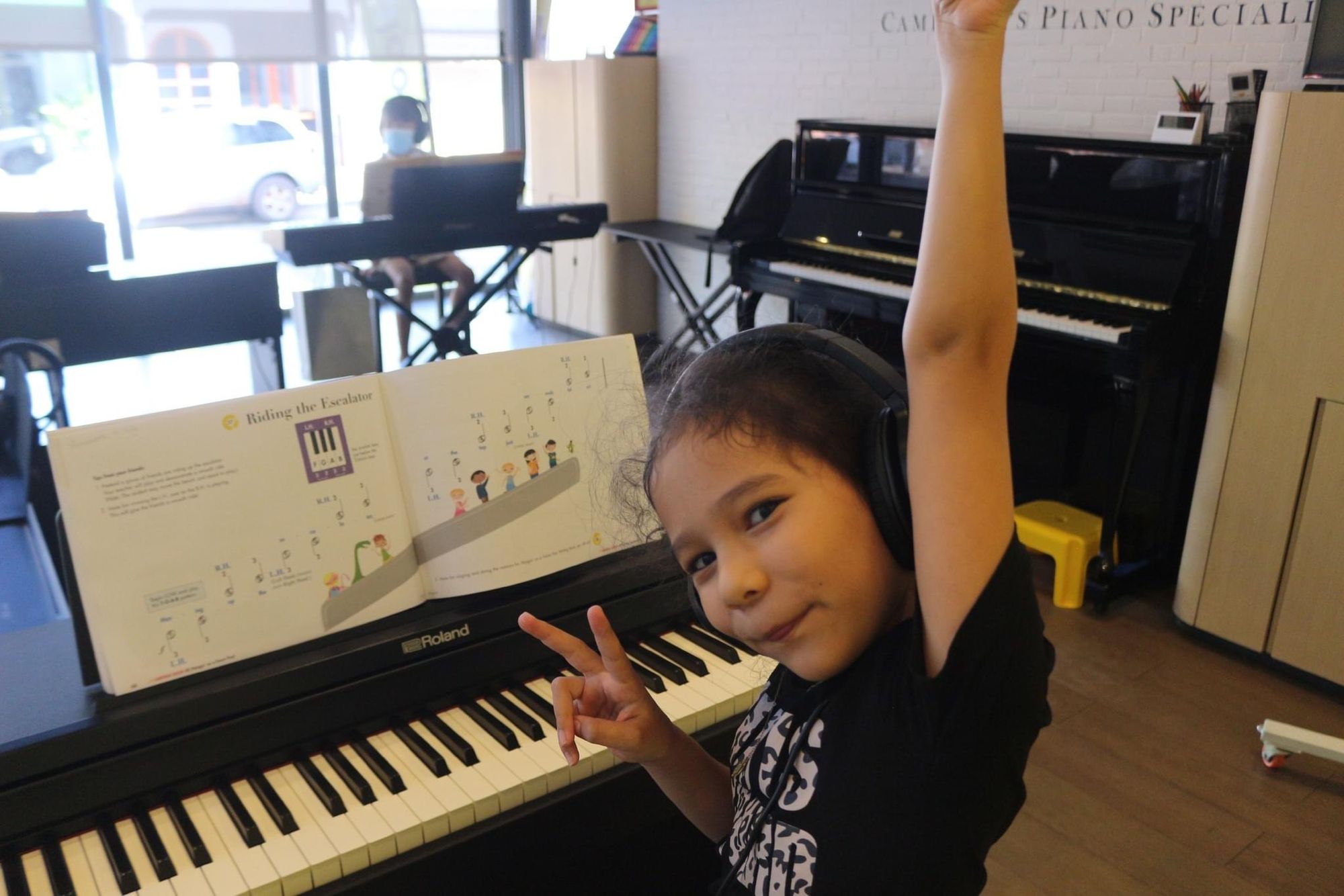
Piano practice goes wrong in predictable ways. The student plays from the beginning every time, speeds up before the hands are ready, ignores the awkward bit in the middle, and then says they practised for half an hour. A useful piano session is usually shorter and stricter than that.
What helps is a clear route. One technical job. One small section. One slower repetition that actually settles. Piano rewards this kind of patience very quickly. It also exposes messy habits quite fast, which is why parents often feel as if the instrument is telling the truth before the teacher even says anything.
1. Start with one job
Do not open the book and vaguely play everything. Start with one instruction from the last lesson. That might be a fingering, one bar that keeps collapsing, a rhythm pattern, or a left-hand shape that still feels clumsy.
If the student cannot say what today's practice is for, the session is already drifting.
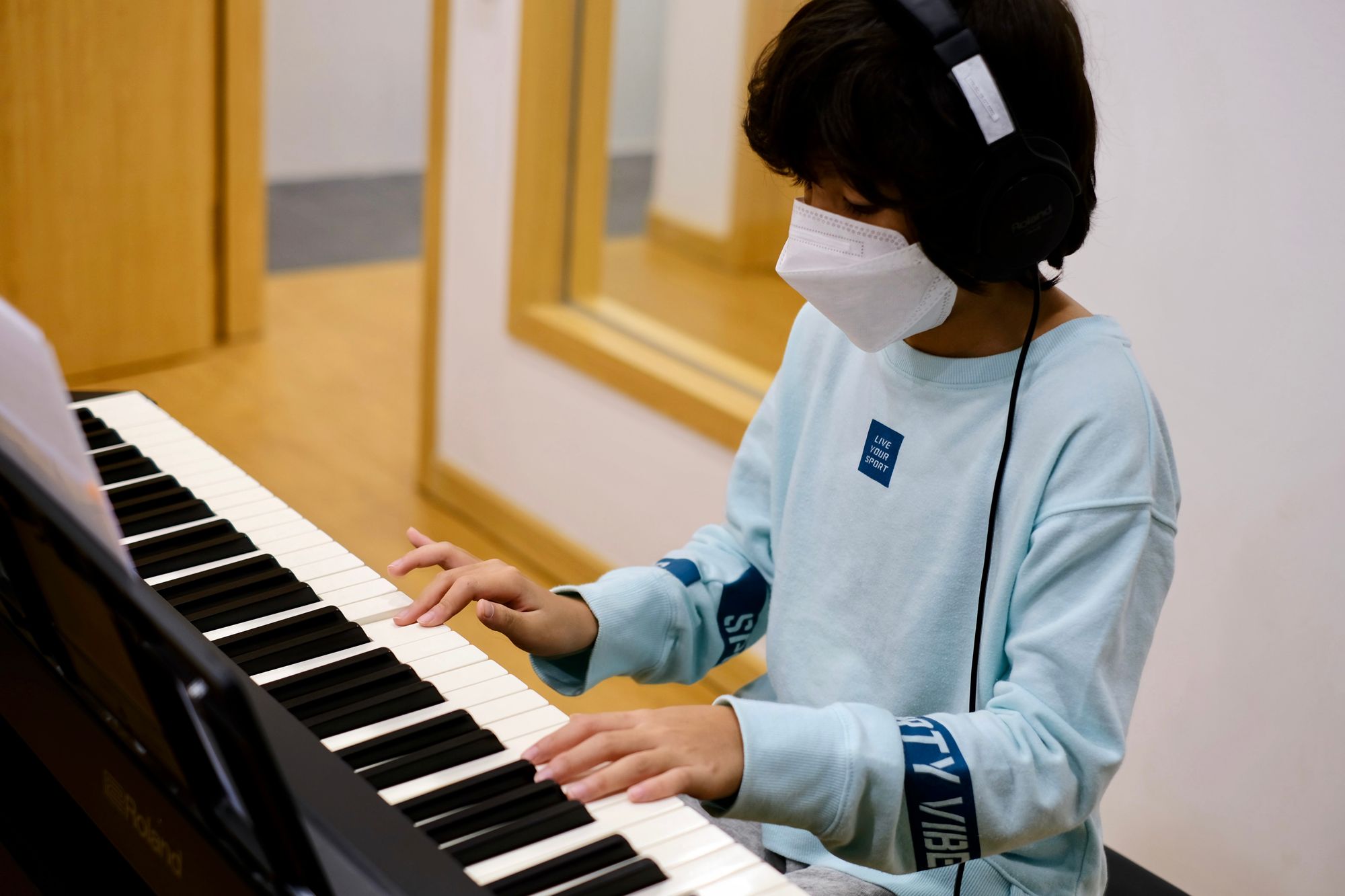
2. Fix the setup before the notes
Bench distance, feet support, and hand position matter more than people think. A child who is sitting awkwardly can look unmotivated when the real issue is physical discomfort. Good setup usually gives cleaner practice almost immediately.
3. Use short sections
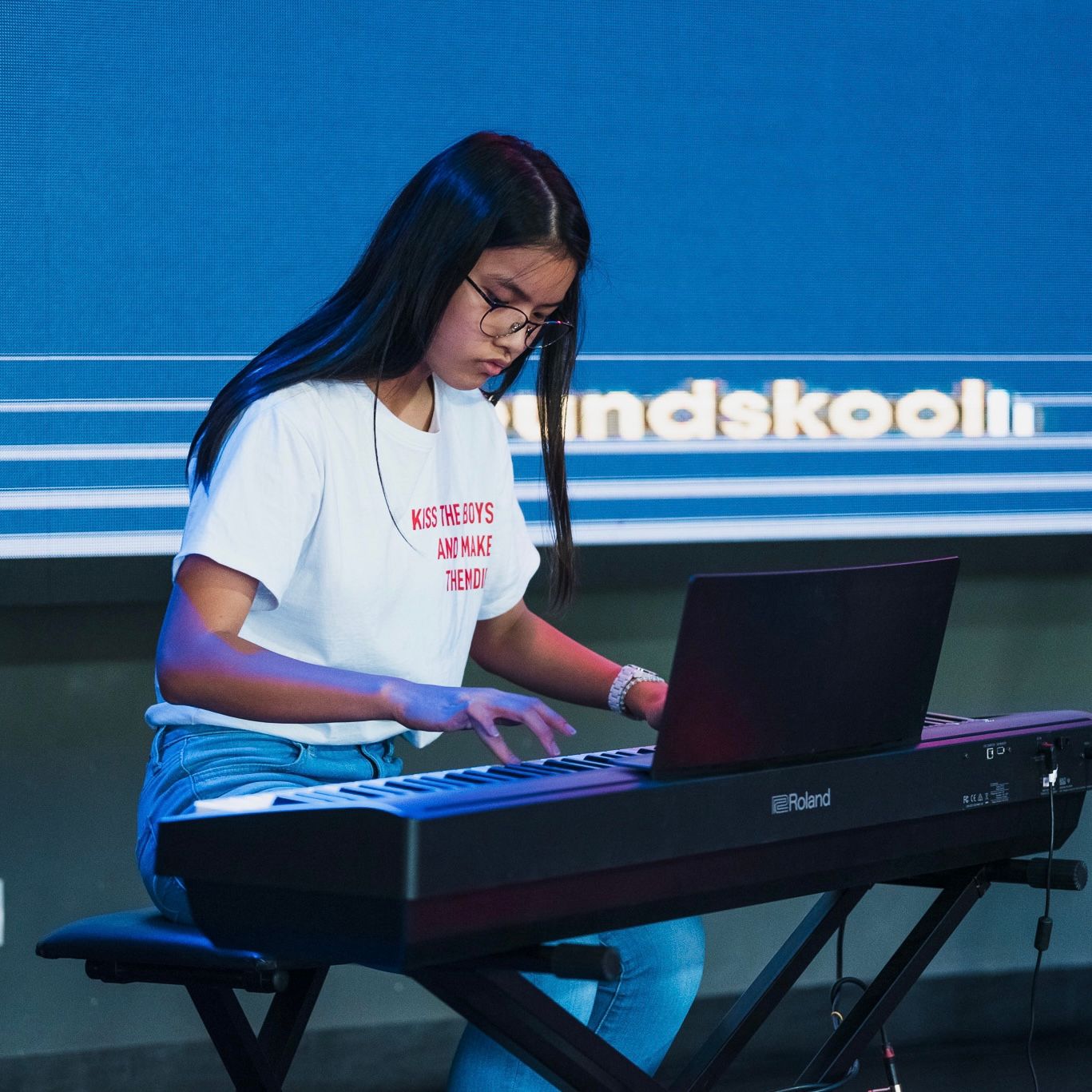
Most beginners should work on phrases, not whole pieces. Four good bars are worth more than a bad run from start to finish. The section needs to be small enough that the student can hear what is wrong and slow it down without feeling lost.
4. Keep the session short enough to stay honest
Ten to twenty minutes is often enough for a younger beginner. Older students can go longer, but the work still needs shape. If the quality drops, the session is over, even if the timer says there were five more minutes planned.
A useful beginner piano session
- 3 minutes: check posture, bench, feet, and a simple warm-up.
- 5 minutes: repeat one technical or reading problem slowly.
- 5 minutes: work one short section of the piece.
- 2 minutes: play the section once in context.
- 1 minute: stop and say what improved.
5. End with something the student can recognise
A practice session should not end in total frustration. It helps to finish with a cleaner run of the section just fixed, or one part the student already knows. That keeps the lesson material connected to a small success instead of only to correction.
What parents should listen for
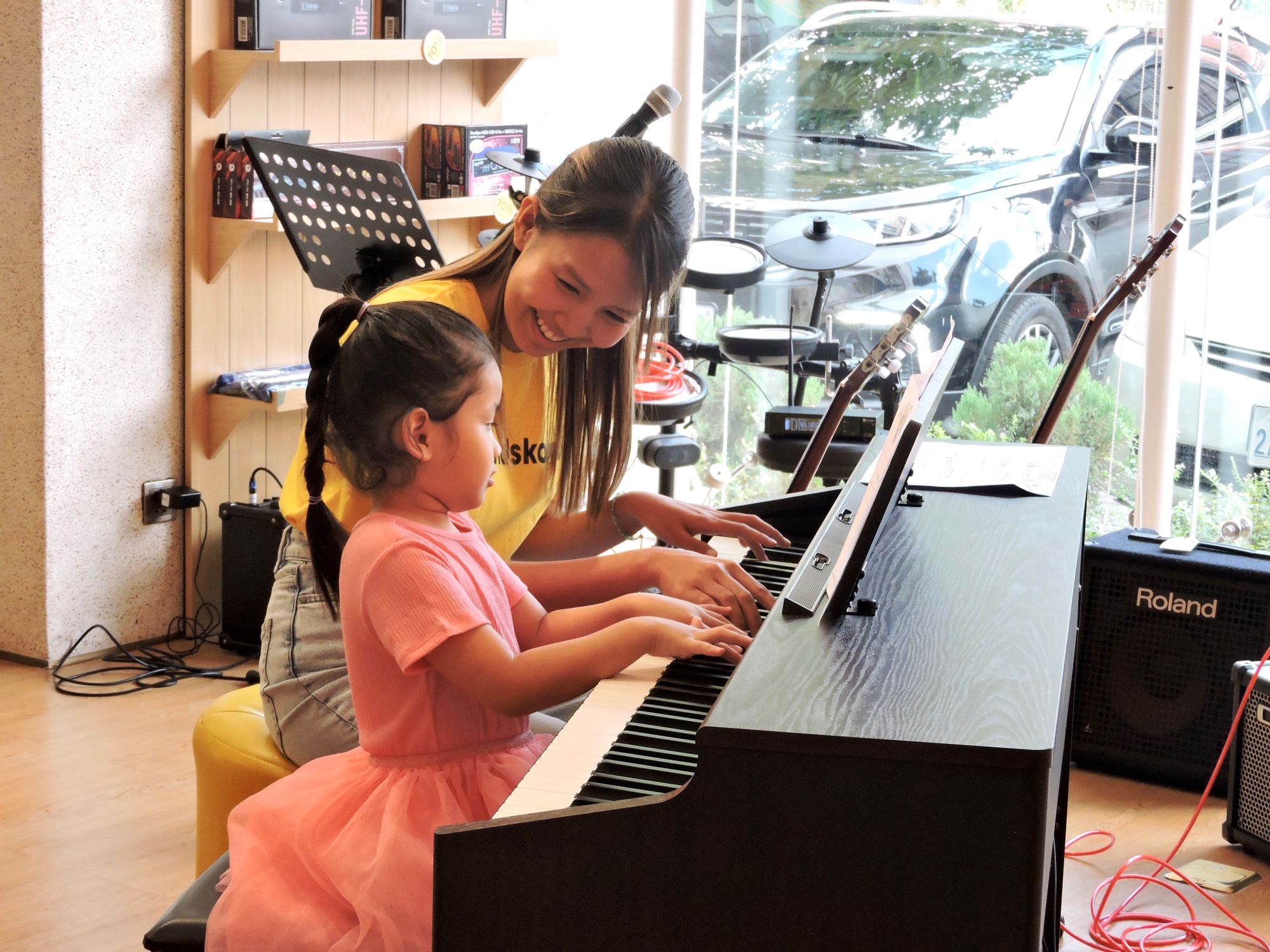
Listen for fewer stops, steadier counting, and a student who can explain what they were fixing. Parents do not need to become piano teachers. They do help when they ask one sensible question: "What part are you working on today?"
Related reading
- Beginner Piano Video Guide
- Learning to Play the Piano in Cambodia
- Why Consistency Matters in Music Learning
Useful Reading Outside Soundskool
- Yamaha: Correct Posture When Playing the Piano for a simple visual setup check.
- RSL Awards if you want to see how weekly piano practice later connects to graded work.
If piano practice is turning into random replay instead of real progress, the next useful step is usually a smaller task and a cleaner weekly routine.