
Who This Is For
What You'll Learn
Most beginners only need one pedal at first. The confusion usually starts when families assume every middle pedal does the same job.
- What the right pedal actually changes
- Why the left pedal feels different on different pianos
- Why the middle pedal is often misunderstood
A lot of students meet piano pedals before they are ready for them. The feet start moving because the music looks grown-up, or because the student likes the bigger sound. Then the tone turns muddy and nobody is quite sure what went wrong.
Pedals are useful, but they are not decoration. On an acoustic piano they change how the instrument behaves, and they need to be understood properly. The good news is that the basic jobs are not complicated once someone explains them in plain English.
Start with the right pedal
The right pedal is the sustain pedal. This is the one most students learn first, and for good reason. It lifts the dampers so notes keep ringing after the fingers leave the keys.
Used well, it connects harmony, supports phrasing, and gives the instrument more resonance. Used badly, it turns everything into soup. Beginners often pedal too long, too early, or on every bar change whether the music needs it or not.
The left pedal is about colour and weight
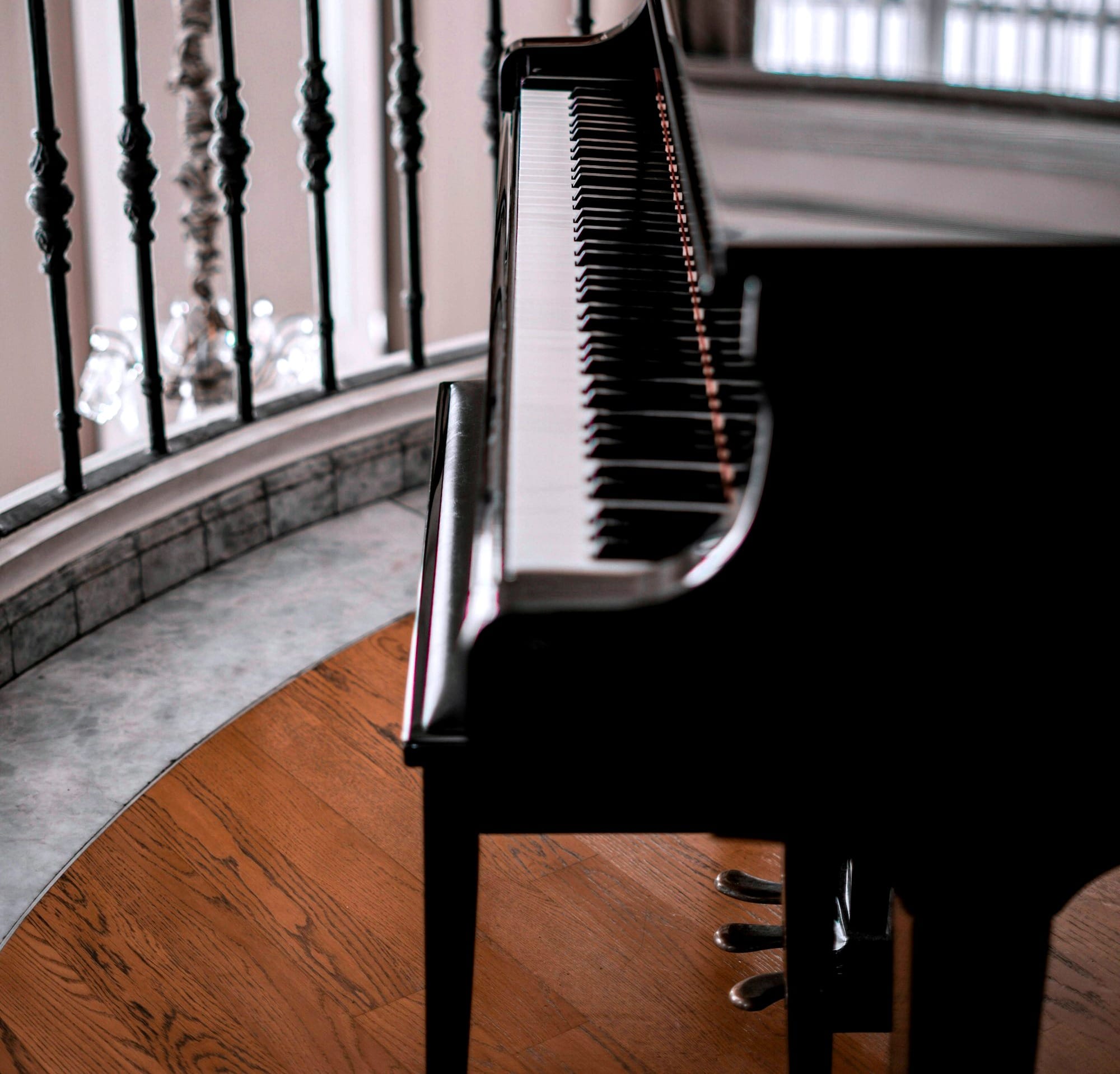
On grand pianos, the left pedal is the una corda or soft pedal. It changes the mechanism so the sound becomes gentler and the tone colour shifts. On upright pianos, the effect is different. The sound still softens, but the mechanism is not exactly the same as on a grand.
That matters because students sometimes expect a dramatic cinematic effect and get something subtler. That is normal. The left pedal is usually a musical colour decision, not the first priority in beginner work.
The middle pedal is where families get confused
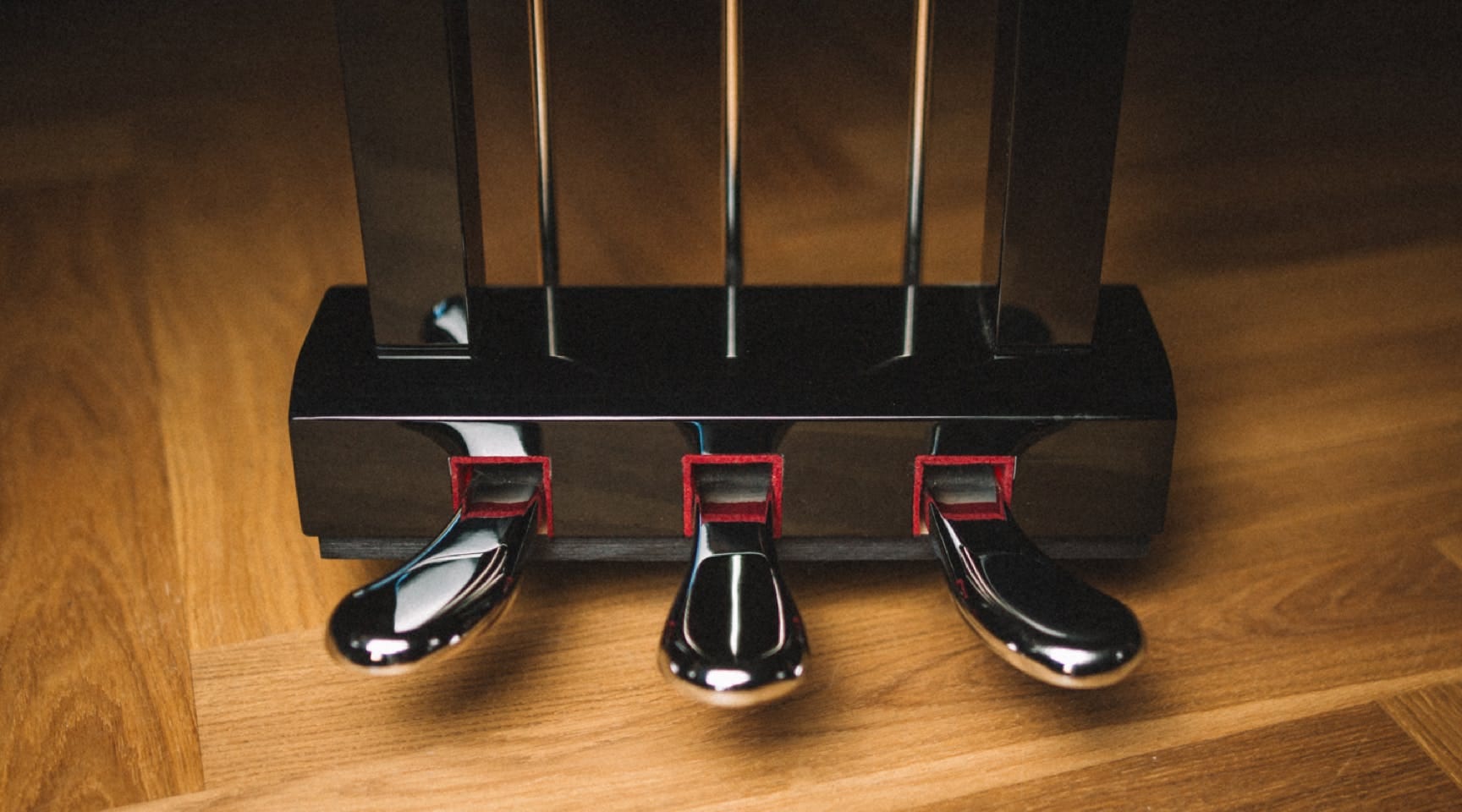
On many grand pianos, the middle pedal is a sostenuto pedal. It holds selected notes while allowing other notes to stay clear. It is useful, but it is not something most beginners need in week three.
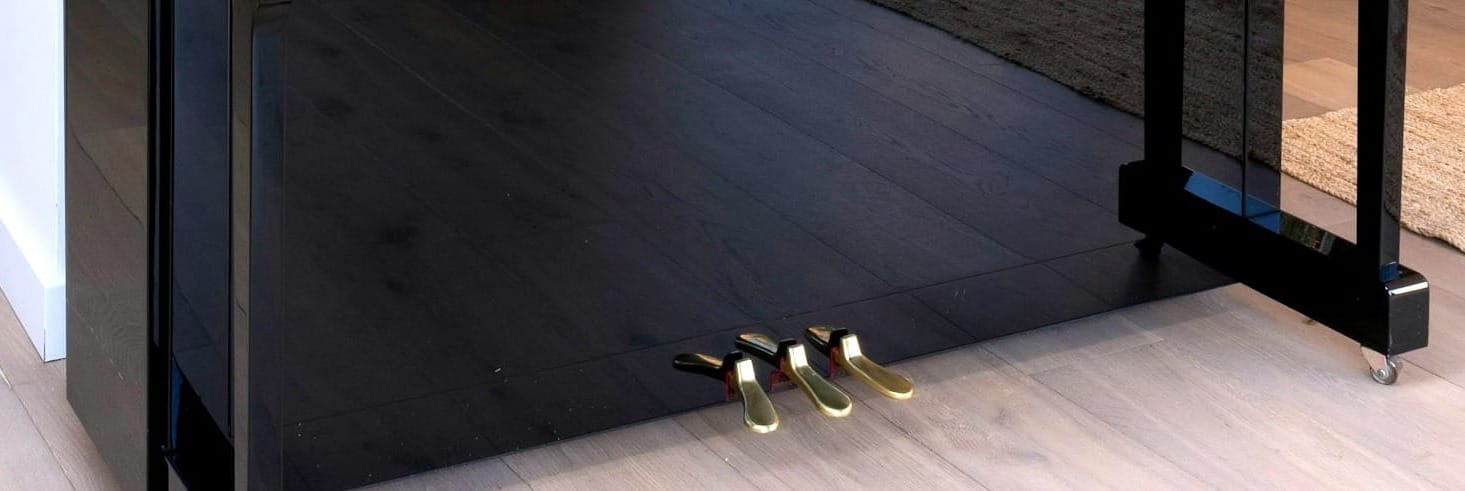
On many upright pianos, the middle pedal does something else entirely. It may act as a practice pedal that drops felt between hammers and strings for quieter playing. So if one student says the middle pedal makes the room softer and another says it holds notes, both of them may be right on their own instrument.
When should students learn pedalling?
Usually after they can already play a short passage with decent rhythm, hand control, and listening. If the hands are still falling apart, adding pedal often covers the problem instead of fixing it.
Teachers normally introduce pedalling in small doses: one phrase, one change, one release point. That is enough. Good pedalling is mostly about timing the foot to the ear, not stomping down whenever the music gets emotional.
Common beginner mistakes
- Holding the sustain pedal down through every harmony change.
- Starting pedal before the note or chord is secure in the hands.
- Trying to learn all three pedals at once.
- Forcing pedal work when the bench height or leg reach is still awkward.
Why this matters for parents
Parents often hear a student using the pedal and assume it means the playing is advancing quickly. Sometimes it does. Sometimes it simply means the student has discovered how to make more sound. Those are not the same thing.
A teacher listens for clean releases, controlled harmony changes, and whether the student still knows what the fingers are doing underneath the resonance.

Further Reading
Pedal Basics
- Start with the sustain pedal. It is the first one most students actually use.
- Do not pedal to hide messy playing.
- On many upright pianos, the middle pedal is not the same as a grand piano sostenuto.
- If the student's feet cannot reach comfortably, pedal work can wait.