
Who This Is For
What You'll Learn
- Soundskool events help students grow. They also show families a side of music lessons that is easy to miss in a private room. A student learns something different when they play for an audience
- Wait their turn
- Listen to others
Soundskool events help students grow. They also show families a side of music lessons that is easy to miss in a private room. A student learns something different when they play for an audience, wait their turn, listen to others, and carry themselves properly from the moment they walk on.
That is why teachers choose performers carefully. A performance slot should feel like the right next step for the student.
What these events are for
Mini concerts, masterclasses, competitions, and special performances all give students a chance to build confidence in public. They also give teachers and families a real date to prepare for instead of letting lessons stay private forever.
For many students, the first performance is the week practice suddenly gets more serious.
Visual Example: Event Day Flow
Know the piece, know the order, and do not leave the first clean run to pure luck.
Arrive early enough to settle in, listen, and avoid the feeling of being rushed onto stage.
Walk on calmly, set up properly, start with intention, and leave the stage with control.
Stay a good audience member. Performance culture includes how students support each other.
How students are selected
Teachers usually decide when a student is ready to perform. Parents are welcome to say their child is keen, but the final decision should stay with the teacher, because readiness includes fluency, recovery, focus, and stamina.
There are also practical limits. Smaller events have limited spaces, so students who are most prepared usually get the first places.
What readiness looks like
A ready student does not need to be perfect. They need a solid sense of time, enough fluency to keep going, and a sound that shows the piece has been properly prepared.
If the performance still collapses every time the student starts from the beginning, it is usually better to wait and build a stronger base first.
Stage manners matter
Students are representing themselves, their teacher, and the school. That starts before the first note. Walking on calmly, bowing or acknowledging the audience, saying their name and piece clearly when appropriate, and leaving the stage with control all matter.
These details may look small to adults, but they teach respect, confidence, and focus under pressure.
Audience behaviour matters too
Students should also know how to sit in the audience. They should stay seated, avoid shouting or running around, and clap properly for other performers. Listening well is part of performing well.
Parents can help a lot here by treating the event as a shared school moment.
Instrument posture still counts
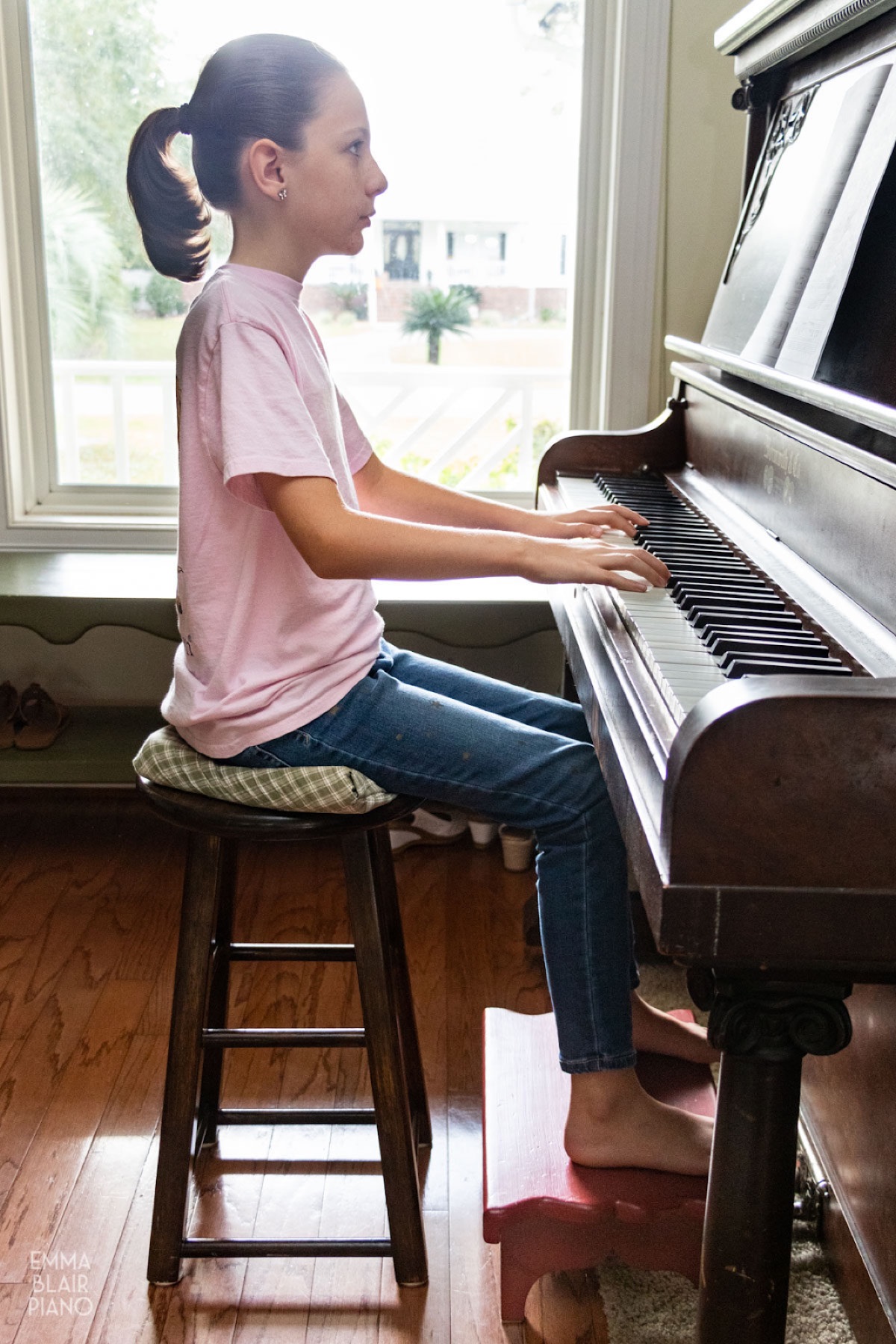
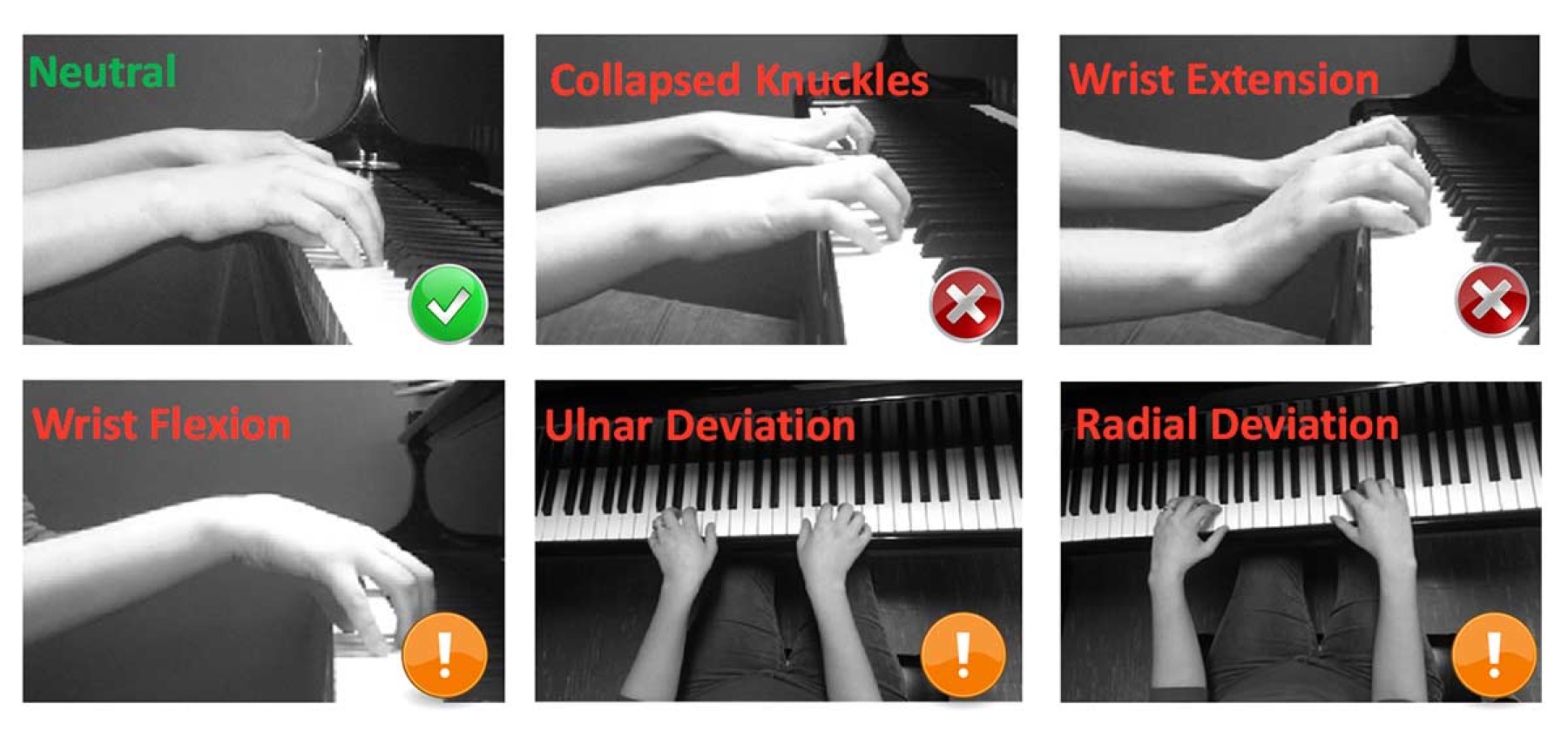
Performance posture should look like lesson posture. For pianists, that means supported feet, curved hands, and a tall back. For drummers, stable feet and proper grip. For guitar and bass students, balanced seating and relaxed arms. For singers and violinists, clear alignment and breathing support.
Students do not suddenly become stage-ready by dressing nicely if the playing posture is still collapsing.
What Soundskool usually recommends
Use the event as a goal a few weeks in advance. Practise starts and endings. Practise speaking the title if needed. Practise sitting quietly before and after the performance. These are school habits as much as music habits.
The best student performances rarely feel improvised on the day. Most of the calm comes from preparation done earlier.
Quick Takeaway
- Performance readiness comes from fluency, recovery, and stage behaviour.
- Students do better when families treat events with calm, school-level focus.
- Practising starts and endings is often more useful than practising the middle again.
- Good audience behaviour is part of music education too.
Related reading
- 4 Practical Steps to Overcome Performance Anxiety
- Performance Etiquette
- 6 Practical Tips to Prepare Yourself for Your RSL Exams
Useful Reading Outside Soundskool
- NHS: Breathing Exercises for Stress for a simple calm-down tool before performances.
- RSL Awards: Graded Music Exams for examples of the kind of structured performance preparation students often grow toward.
If your child wants to perform and you are not sure whether they are ready yet, the next step is to look at fluency, starts, and stage behaviour before picking the event.