
Who This Is For
What You'll Learn
- The short answer is simple. An upright piano stands vertically
- Saves space. A grand piano stretches out horizontally
- Gives the player a larger action
The short answer is simple. An upright piano stands vertically and saves space. A grand piano stretches out horizontally and gives the player a larger action and body to work with.
For most beginners, that difference matters less than families think. The teacher, the instrument condition, the home routine, and the student's consistency usually matter more than whether the piano looks impressive in the room.
What physically changes between them
An upright piano keeps its strings and action in a vertical cabinet. A grand piano lays them out horizontally in a longer body. That changes the footprint, the feel of the action, and the way sound projects into the room.
Grand pianos usually offer more room for tonal colour and control, especially for advanced players. Uprights are more compact and practical for everyday home use.
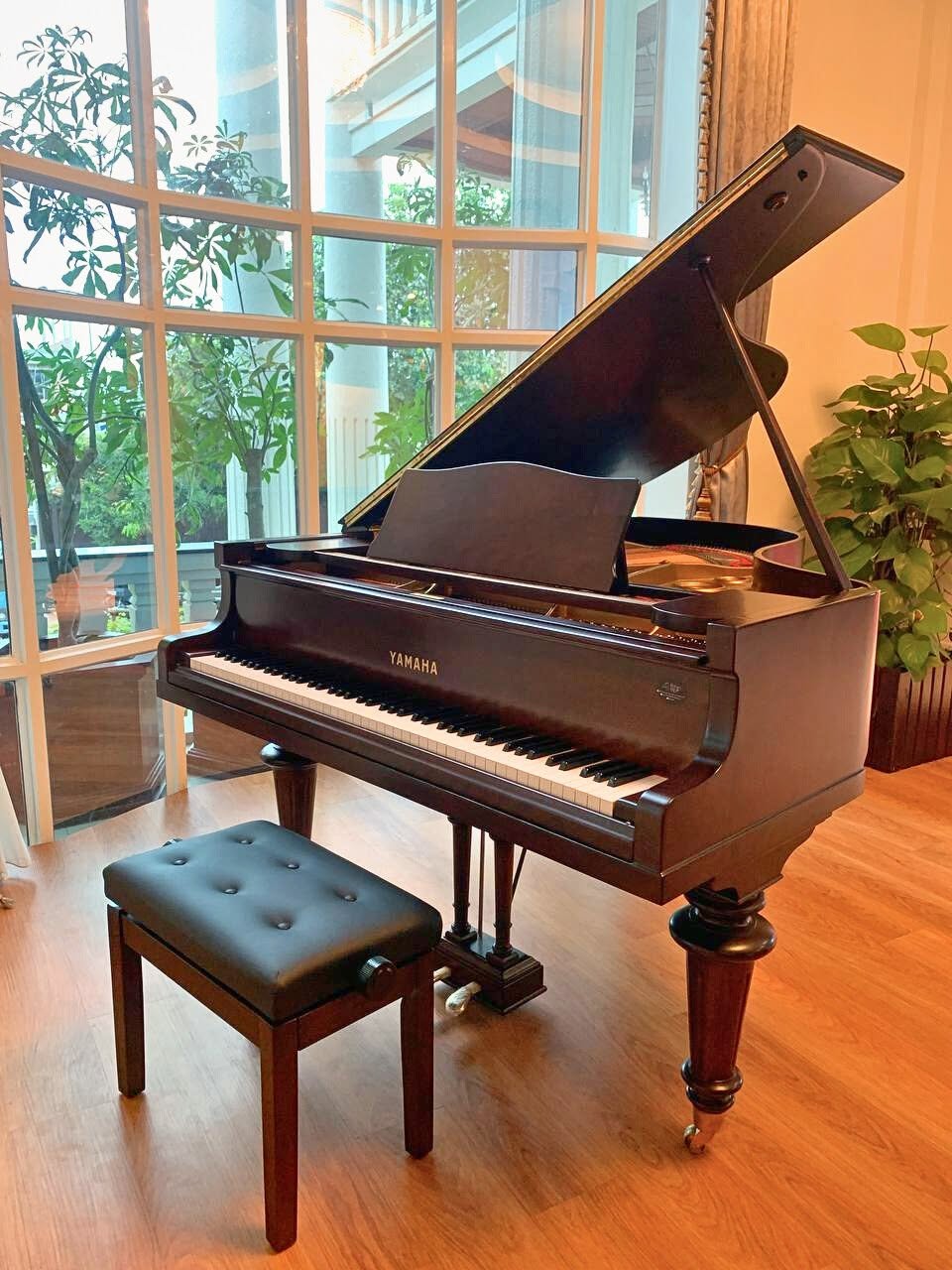
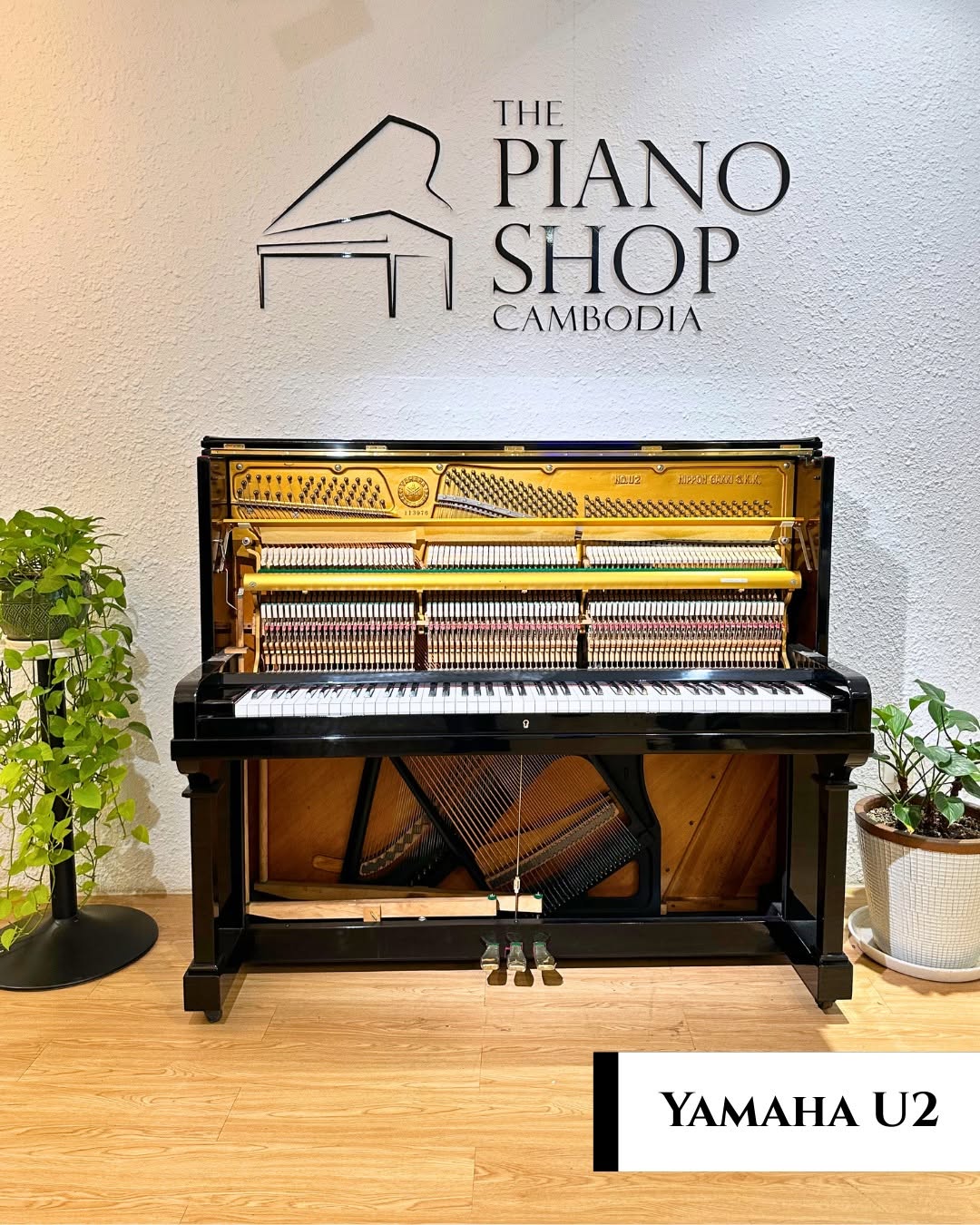
Visual Comparison: Upright Vs Grand
Vertical strings, smaller footprint, easier fit for apartments and family homes, and often the practical choice for regular home practice.
Horizontal strings, larger action, longer sustain, more control over repetition and tonal colour, and far more room required.
Bench comfort, key feel, pedal feel, and whether the instrument invites them to sit down again tomorrow.
Condition and usability usually matter more than the category name on the sales sheet.
What a beginner actually notices
A beginner usually notices three things first: key feel, pedal feel, and whether the instrument makes them want to practise again tomorrow. If the piano is badly regulated, badly positioned, or simply unpleasant to sit at, the label does not save it.
That is why families should test with their ears and hands as well as their eyes.
When an upright makes good sense
- You need something practical for home practice.
- Room size matters.
- The student is still in the early years and needs a solid routine more than prestige.
- You want an acoustic instrument without the footprint of a grand.
When a grand makes sense
A grand becomes more relevant when the player is more advanced, the repertoire is more demanding, the room can support the instrument, and the family truly wants an acoustic piano as a long-term centrepiece for serious study or performance.
It should stay a musical decision before it turns into a furniture decision.
What many families miss
Many parents think the big decision is upright versus grand. Often the first decision is actually acoustic versus digital, then quality versus convenience, then condition versus appearance.
A well-chosen instrument that gets used every week is more valuable than a beautiful instrument that makes practice feel awkward, intimidating, or impossible in daily life.
What Soundskool usually recommends
For younger students and many first-time buyers, start with the question of routine. Where will the instrument live? Can the student reach it easily? Is the action comfortable? Will this setup make regular practice more likely?
Parents can ignore the grand-piano fantasy for a moment and choose an instrument that helps the student keep showing up.
Quick Takeaway
- For beginners, the better piano is often the one that gets used consistently.
- Grand pianos offer more expressive potential, but they also ask for more room and budget.
- A well-maintained upright usually beats a neglected grand.
- Choose for practice reality first, aspiration second.
Related reading
- Learning to Play the Piano in Cambodia
- Beginner Piano Basics: Posture
- 5 Common Challenges Beginners Face When Learning Piano
Useful Reading Outside Soundskool
- Yamaha: Grand or Upright? for a manufacturer-level explanation of space, action, pedals, and tone differences.
- Yamaha: What Is a Piano's Action? if you want to understand why repetition and touch feel different across instruments.
If your family is deciding what piano setup makes sense, it helps to compare daily practice reality first and shop second.